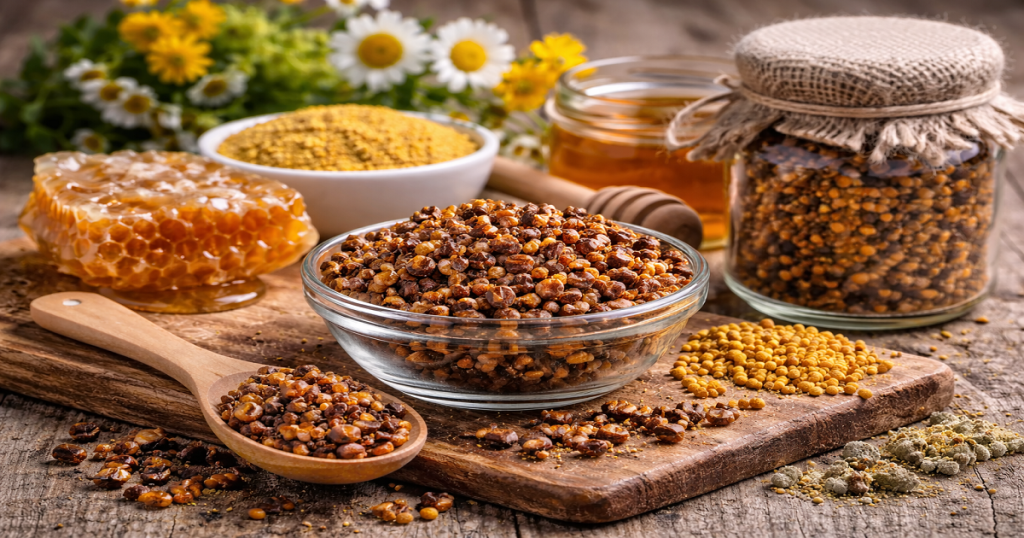
Bee bread is one of the most fascinating foods produced inside a beehive. Through a natural fermentation process, honeybees transform raw pollen into a nutrient-dense substance that serves as a primary food source for the colony. This fermentation process not only preserves the pollen but also improves its digestibility and nutritional availability. As a result, bee bread contains a complex combination of proteins, vitamins, minerals, beneficial microbes, and bioactive plant compounds. Because of its rich nutritional profile, bee bread has attracted growing interest from nutrition researchers and natural health communities. Many people consume it as a dietary supplement to support overall wellness. Below are some of the most commonly discussed bee bread benefits and potential health effects.
Supports Immune Function
A strong immune system depends on adequate nutrition. Bee bread contains a variety of nutrients that play important roles in immune health, including:
- B-complex vitamins
- Vitamin C
- Vitamin E
- Zinc
- Selenium
- Bioactive plant compounds
These nutrients support immune cell activity and help the body respond to pathogens such as bacteria and viruses.
Some preliminary studies on fermented bee products also suggest that they exhibit mild antimicrobial properties, potentially helping inhibit certain bacteria and fungi. While research is still developing, the combination of vitamins, minerals, and antioxidant compounds may support the immune system.
May Improve Digestive Health
One of the most unique characteristics of bee bread is its natural fermentation process. During fermentation, microorganisms break down the tough outer walls of pollen grains, making nutrients easier for the body to absorb.
Because of this process, bee bread may contain beneficial microorganisms similar to those found in fermented foods. These microbes support a balanced gut environment. A healthy gut microbiome plays an important role in:
- Efficient digestion
- Nutrient absorption
- Immune system function
Many people also report that bee bread is easier to digest than raw bee pollen because fermentation partially breaks down plant fibers and complex compounds.
Provides Natural Energy Support
Bee bread contains a balanced mix of carbohydrates, amino acids, and micronutrients that support energy production in the body. B vitamins, in particular, play a key role in converting food into usable energy at the cellular level. Amino acids support metabolic processes, while natural carbohydrates provide a steady energy source.
For this reason, some athletes and physically active individuals include small amounts of bee bread in smoothies or snacks before workouts. Unlike highly processed energy supplements, bee bread provides slow, natural nutritional support without artificial stimulants.
Rich Source of Antioxidants
Oxidative stress occurs when unstable molecules known as free radicals accumulate in the body. Over time, this process can damage cells and contribute to aging and various chronic conditions. Bee bread contains several plant-derived antioxidants, including:
- Flavonoids
- Phenolic acids
- Carotenoids
These compounds help neutralize free radicals and protect cells from oxidative damage. Interestingly, research suggests that fermentation may increase the bioavailability of certain antioxidant compounds, allowing the body to absorb them more efficiently.
Because of this, fermented bee products may provide stronger antioxidant activity compared with raw pollen.
May Support Heart Health
Cardiovascular health depends on multiple factors, including balanced cholesterol levels, healthy blood vessels, and proper circulation. Bee bread contains minerals such as potassium and magnesium, which are important for maintaining normal heart function and blood pressure regulation.
In addition, antioxidant compounds in bee bread may help reduce oxidative stress that can contribute to cardiovascular issues. Some preliminary studies on bee products suggest they may help support healthy cholesterol balance, although more human research is needed to confirm these effects.
Bee bread should not replace medical treatment, but it may complement a heart-healthy lifestyle when consumed as part of a balanced diet.
Helps Maintain Healthy Metabolism
Metabolism refers to the complex chemical processes that allow the body to convert food into energy and maintain essential biological functions. Bee bread contains several nutrients that support metabolic activity, including:
- B vitamins
- Amino acids
- Trace minerals
- Enzyme-supporting compounds
These nutrients contribute to processes such as energy production, protein synthesis, and cellular repair. Because bee bread is highly nutrient-dense, even small amounts can provide a concentrated source of metabolic support nutrients.
May Support Liver Health
The liver plays a central role in detoxification, metabolism, and hormone regulation. Protecting liver cells from oxidative stress is essential for maintaining proper liver function. Bee bread contains antioxidant and anti-inflammatory compounds that may help protect liver cells from damage caused by free radicals.
Some animal studies on fermented bee products have suggested potential liver-protective properties. These effects are thought to be related to the high concentration of plant antioxidants and bioactive compounds found in fermented pollen.
While more research is required, these findings suggest that bee bread may contribute to overall metabolic health.
Potential Anti-Inflammatory Effects
Chronic inflammation is linked to a wide range of health conditions, including metabolic disorders and cardiovascular disease. Bee bread contains plant-derived compounds such as flavonoids and phenolic acids, which are known for their anti-inflammatory properties.
These compounds may help regulate inflammatory responses in the body by reducing oxidative stress and supporting cellular defense mechanisms. Although bee bread is not a medical treatment, incorporating antioxidant-rich foods into the diet may help support long-term wellness.
Supports Skin Health
Healthy skin depends on adequate nutrition, including vitamins, antioxidants, and amino acids. Bee bread contains several nutrients associated with skin health, including:
- Vitamin E
- Antioxidants
- Amino acids
- Trace minerals
These compounds help protect skin cells from oxidative stress and support natural repair processes. For this reason, some natural skincare products incorporate bee-derived ingredients such as honey, propolis, or pollen extracts.
While eating bee bread alone will not dramatically change skin health, it may contribute to overall nutritional support for healthy skin.
May Support Healthy Aging
Aging is influenced by multiple biological processes, including oxidative stress and chronic inflammation. Because bee bread contains antioxidants, vitamins, and amino acids, it may help support cellular health over time.
These nutrients help protect cells from environmental stressors and support normal metabolic function. While bee bread is not a “miracle food,” it can be part of a balanced dietary pattern that promotes long-term health and vitality.
How Bee Bread Is Harvested
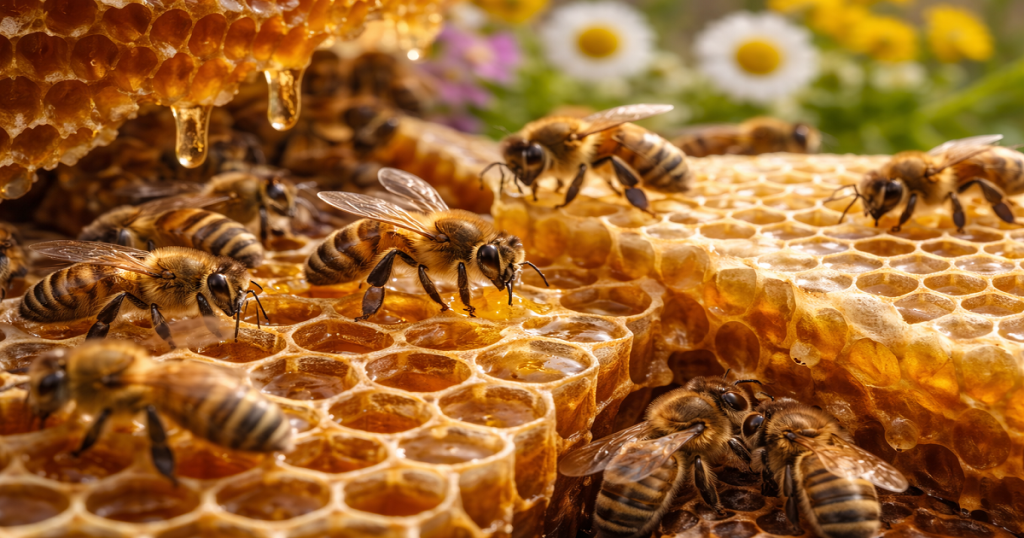
Harvesting bee bread requires careful handling to protect both the bees and the hive. Beekeepers typically collect bee bread from honeycomb cells using specialized tools. Because the fermented pollen is tightly packed into the comb, extraction can be challenging. Common harvesting methods include:
- Freezing honeycomb frames to loosen the pellets
- Using specialized extraction tools
- Carefully removing fermented pollen from comb cells
Responsible beekeepers harvest only small amounts to ensure the colony retains enough food for its own survival. Sustainable beekeeping practices are essential for maintaining healthy bee populations and protecting pollinator ecosystems.
How to Consume Bee Bread
Bee bread can be incorporated into the diet in several simple ways. Many people prefer to eat it in small amounts due to its concentrated nutritional content. Common ways to consume bee bread include:
- Eating small granules directly
- Adding it to smoothies
- Mixing it into yogurt or oatmeal
- Sprinkling it over fruit bowls
- Blending it into homemade energy snacks
Because of its nutrient density, only small portions are typically needed.
Recommended Intake
There is no universally established dosage for bee bread. However, many people start with small amounts and gradually increase their intake. Typical daily amounts include:
- ½ teaspoon to 1 teaspoon for beginners
- 1–2 teaspoons for regular users
Starting with a small portion allows the body to adjust and helps identify any potential sensitivities.
Safety Considerations
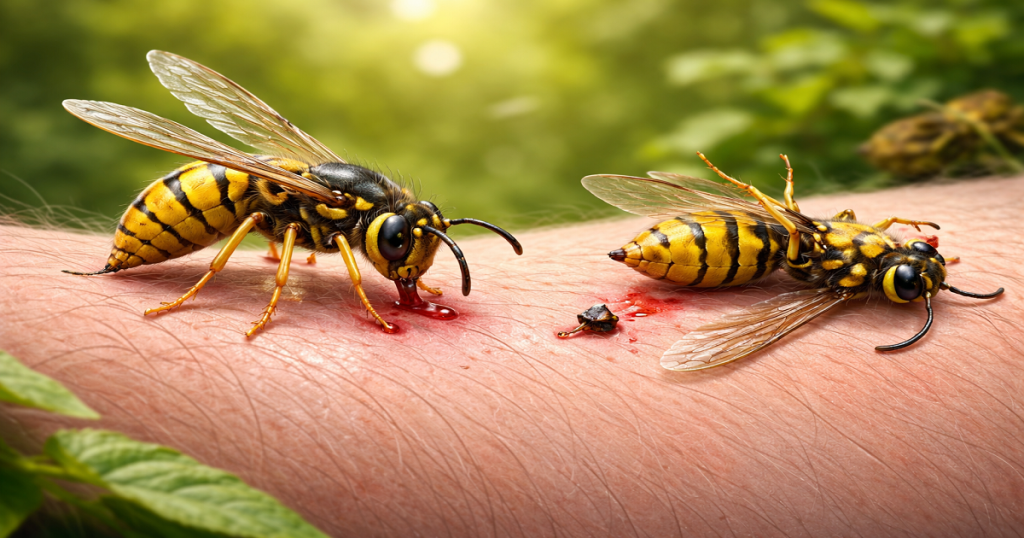
Bee bread is generally considered safe for most healthy adults when consumed in moderate amounts. However, certain individuals should exercise caution. People with allergies to bee products or pollen may experience allergic reactions.
Possible symptoms include:
- Itching
- Swelling
- Skin reactions
- Breathing difficulty
Anyone with known pollen or bee allergies should consult a healthcare professional before trying bee bread. Pregnant women and individuals with chronic health conditions should also seek medical advice before adding new supplements to their routine.
How to Store Bee Bread
Proper storage helps preserve the nutritional quality and freshness of bee bread. For best results:
- Keep it in an airtight container
- Store it in a cool, dry place
- Protect it from direct sunlight
- Refrigerate it for extended shelf life
These steps help maintain its nutrients and prevent spoilage. when you store bee pollenate to get for bee bread benefits.
Frequently Asked Questions
Is bee bread better than bee pollen?
Bee bread is often easier to digest because fermentation breaks down the tough outer walls of pollen grains, making nutrients more accessible.
What does bee bread taste like?
Bee bread typically has a mildly sour, slightly sweet flavor. The taste can vary depending on the flowers from which the bees collected pollen.
Can bee bread improve digestion?
Because bee bread is fermented and may contain beneficial microorganisms, it may help support digestive health and gut balance.
Is bee bread a probiotic food?
Bee bread may contain probiotic microorganisms formed during fermentation, although the exact probiotic activity can vary.
How long does bee bread last?
When stored properly in a cool, dry location or refrigerator, bee bread can remain fresh for several months.
Final Bee Bread Benefits Tips
Bee bread is a remarkable product of the beehive created through the natural fermentation of pollen. This process transforms raw pollen into a nutrient-rich food containing vitamins, minerals, antioxidants, amino acids, and beneficial microbes.
Potential bee bread benefits include support for immune function, digestion, natural energy production, and overall wellness. Although scientific research on bee bread is still developing, its unique nutritional profile has attracted growing interest in both traditional nutrition and modern health research.
When consumed in moderation and stored properly, bee bread can be a valuable addition to a balanced and health-conscious diet.