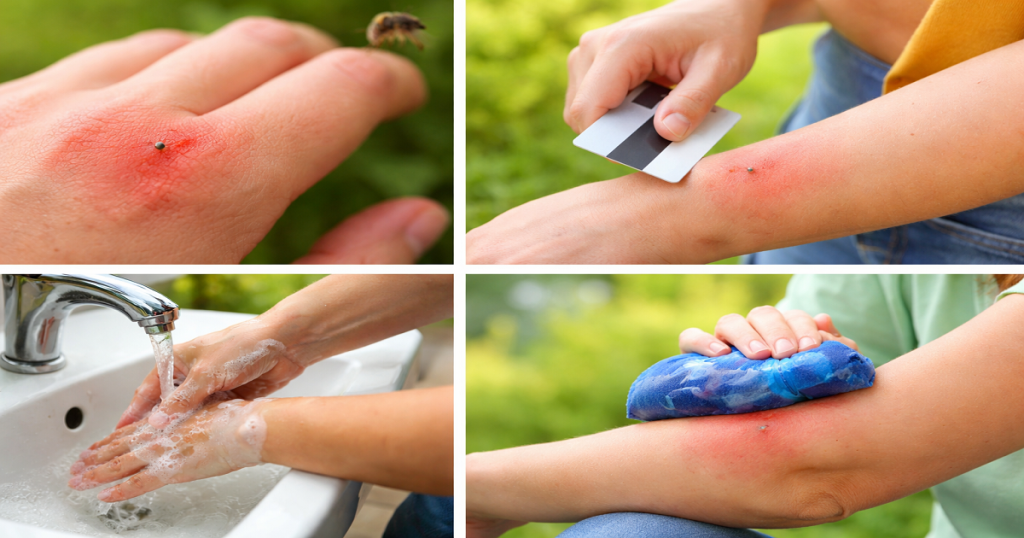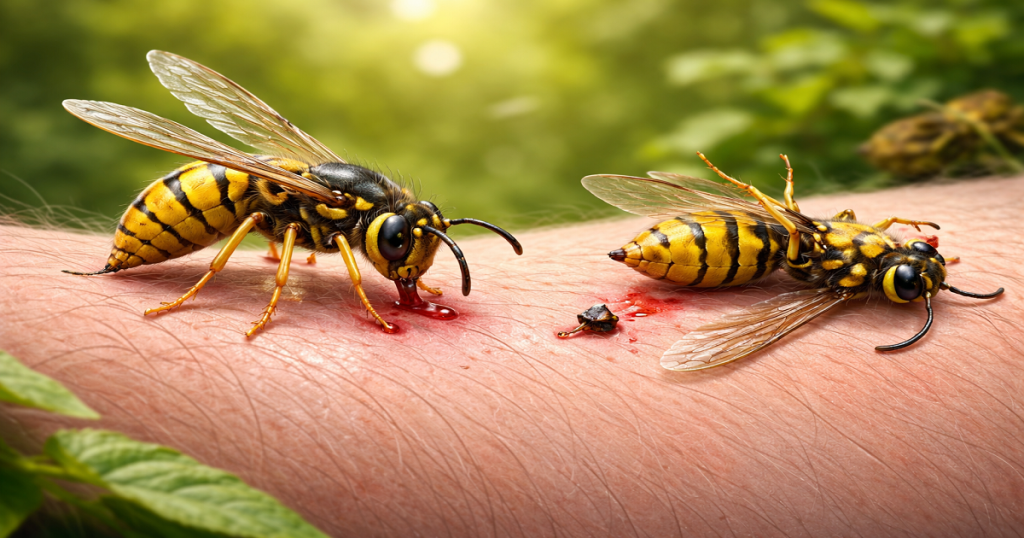
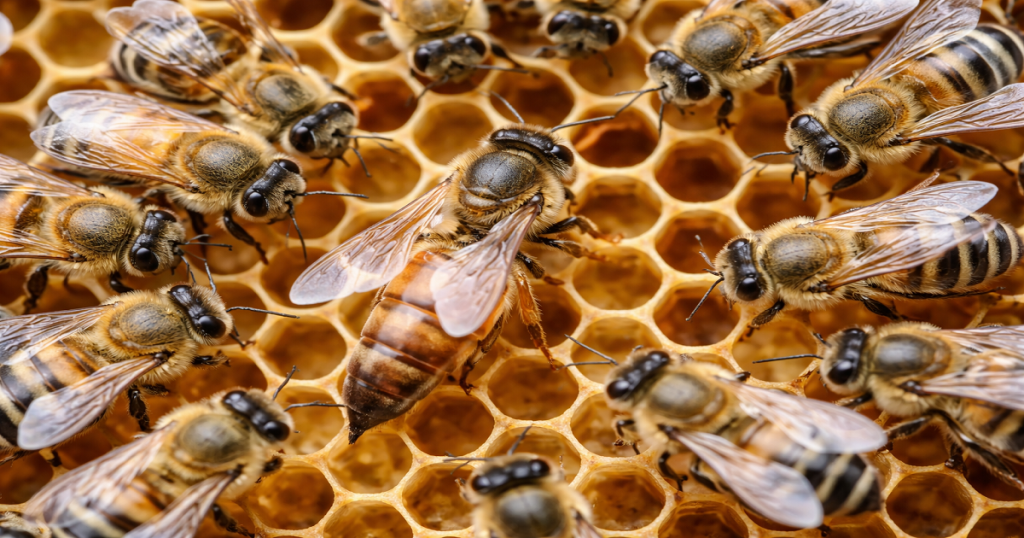
Many people know that worker bees can sting, but fewer people realize that queen bees also have a stinger. This often leads to questions such as “Do queen bees sting?” Can they sting humans? And if they can, how dangerous is a queen bee sting?
The answer is yes—queen bees do have a stinger. However, their stinger serves a very different purpose from that of worker bees. While worker bees use their stingers to defend the colony from threats, the queen’s stinger is primarily used to fight rival queens inside the hive. It is a specialized tool that helps maintain the colony’s social structure and ensures that only one queen remains in control of reproduction.
A queen bee’s stinger develops from a reproductive organ known as the ovipositor. Unlike worker bees, queens rarely leave the hive and almost never participate in colony defense. As a result, encounters between humans and queen bees are extremely uncommon. Most beekeepers spend years working with honey bee colonies without ever being stung by a queen.
Learning about the queen bee’s stinger provides valuable insight into honey bee biology, colony organization, queen succession, and the remarkable way a hive maintains order. It also helps explain why queen bees behave differently from worker bees and how colonies manage competition between potential queens.
In this guide, you’ll learn:
- Do queen bees have stingers?
- Can a queen bee sting humans?
- How many times can a queen bee sting?
- Why do queen bees sting other queens?
- What are the differences between queen and worker bee stingers?
- What happens if a queen bee stings a person?
By the end, you’ll have a clear understanding of how queen bee stingers work and the important role they play in the survival of a honey bee colony.
What Is a Queen Bee?
A queen bee is the primary reproductive female in a honey bee colony. She plays a vital role in the survival and growth of the hive because she lays almost all the eggs that develop into worker bees, drones (male bees), and future queens.
Unlike worker bees, whose duties include gathering food, caring for young bees, and protecting the colony, the queen’s main responsibility is reproduction. During peak seasons, a healthy queen can lay up to 2,000 eggs per day, helping the colony maintain its population and expand when conditions are favorable.
Key Facts About Queen Bees
- The queen bee is larger than most worker bees.
- She is the only fully fertile female in a healthy colony.
- A queen can live for 2 to 5 years, while worker bees often live only a few weeks during active seasons.
- She produces chemical signals called pheromones that help regulate the colony’s behavior and social structure.
- Every honey bee colony depends on a healthy queen to produce new bees and maintain colony stability.
- Worker bees constantly feed, groom, and protect the queen throughout her life.
Because the queen is responsible for the colony’s future generations, her health and productivity are critical to the hive’s success.
Can a Queen Bee Sting?
Yes, queen bees can sting. They are born with a fully developed and functional stinger. However, queen bees rarely sting humans. Unlike worker bees, which use their stingers to defend the colony from threats, queens primarily use their stingers to fight rival queens.
These conflicts usually occur when more than one queen is present in a colony, such as during the process of replacing an aging queen or when a new queen emerges. As a result, encounters between humans and a stinging queen bee are extremely uncommon.
How Is a Queen Bee’s Stinger Different?
One of the most distinctive features of a queen bee’s stinger is that it is smooth and only lightly barbed. This differs significantly from the stinger of a worker honey bee.
Because of this unique structure:
- A queen bee can sting multiple times.
- Her stinger usually does not become lodged in the target.
- She does not die after stinging.
Worker honey bees, on the other hand, have strongly barbed stingers. When a worker bee stings a mammal, the stinger often becomes stuck in the skin. As the bee pulls away, the stinger and part of the bee’s abdomen are torn from its body, causing the worker bee to die shortly afterward.
Understanding these differences helps explain the unique roles of queen and worker bees and provides insight into honey bee anatomy and colony behavior.
Why Does a Queen Bee Sting?
A queen bee’s stinger evolved mainly as a tool for competition with other queens rather than for defending the colony.
Unlike worker bees, which use their stingers to protect the hive from predators and threats, queen bees rarely engage in colony defense. Their primary role is reproduction, and their stinger is mainly used when competing for control of the colony.
Protecting Her Position
When a new queen emerges in a hive, there may be other developing or newly emerged queens present. Because a honey bee colony typically supports only one active queen, competition can be intense.
The first queen to emerge often searches for rival queens and attempts to eliminate them before they can mature and challenge her position. She may sting queens still developing inside their queen cells or fight queens that have already emerged. This behavior helps ensure that only one reproductive queen remains in the colony.
Queen-to-Queen Battles
During natural colony events such as swarming or queen replacement (known as supersedure), multiple queens may temporarily exist within the same hive.
In these situations, queens may engage in direct combat using their stingers. These encounters are among the few times a queen actively uses her sting.
For this reason, many bee specialists consider the queen’s stinger a specialized adaptation for competition between queens rather than a weapon for colony defense.
Do Queen Bees Sting Humans?
Yes, queen bees are capable of stinging humans, but it is extremely rare. Unlike worker bees, queens do not guard the hive entrance, collect nectar, or respond aggressively to outside threats. Instead, they spend most of their lives deep inside the colony, where they focus on laying eggs and maintaining the hive’s population. As a result, most people—and even many experienced beekeepers—never encounter a queen bee sting.
When Could a Queen Bee Sting a Person?
Although uncommon, a queen bee may sting if she is
- Accidentally squeezed during a hive inspection.
- Mishandled by a beekeeper
- Trapped with no way to escape.
- Directly threatened or subjected to significant stress.
Even under these conditions, queen bee stings remain rare. Most beekeepers work with honey bee colonies for years without ever being stung by a queen.
Why Queen Bee Stings Are Uncommon
Several factors make queen bee stings unusual:
- Queens spend most of their time inside the hive.
- Worker bees protect and care for the queen.
- The queen’s primary function is reproduction, not defense.
- She generally avoids confrontation whenever possible.
Because of these factors, queen bee stings are considered one of the least common types of bee stings encountered by humans.
What Does a Queen Bee Stinger Look Like?
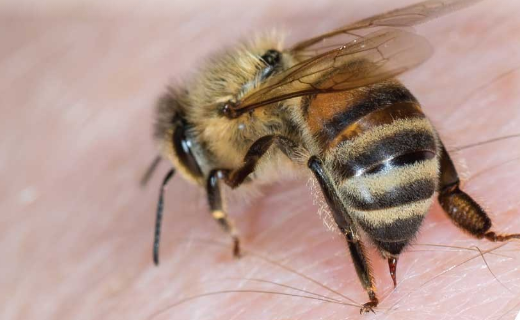
The queen bee stinger is long, smooth, and slightly curved. Unlike worker bees, the queen’s stinger does not contain backward-facing barbs.
Anatomy of the queen bee stinger
The structure includes a smooth needle-like shaft, venom delivery glands, and muscles controlling insertion connection to reproductive anatomy. Because the stinger is smooth, it slides in and out easily, allowing the queen to sting multiple times.
Worker bees evolved barbed stingers specifically for defense against mammals. When a worker bee stings human skin, the barbs become lodged, tearing the stinger from the bee’s abdomen when it flies away. This causes the bee to die. The queen’s stinger lacks these barbs, allowing her to survive and sting repeatedly.
How Many Times Can a Queen Bee Sting?
A queen bee can sting multiple times. This ability is critical during queen rivalry. When several new queens emerge in a hive, they may fight until only one remains. The queen’s smooth stinger allows her to attack rivals repeatedly during these battles. Unlike worker bees, queens do not sacrifice themselves when they sting.
What Happens When a Queen Bee Stings Another Queen?
When a queen stings a rival queen, the venom causes paralysis and death. The venom contains compounds similar to worker bee venom, including melittin, apamin, and phospholipase A2. These toxins disrupt nerve and muscle function. Worker bees sometimes assist by forming a cluster around a rival queen in a behavior called balling, which can suffocate or overheat the rival.
Do Queen Bees Die After Stinging?
No. Queen bees do not die after stinging. Because the queen bee stinger has no barbs, it does not get stuck in the skin. This allows the queen to sting repeatedly, survive the attack, and continue ruling the colony. This adaptation is critical for colony survival, since the queen is responsible for laying thousands of eggs per day during peak season.
What Happens If a Queen Bee Stings You?
A queen bee sting feels similar to a worker bee sting. Possible symptoms include sharp pain, redness, swelling, and itching. However, because the queen does not leave the stinger behind, the reaction may sometimes be slightly less severe. People allergic to bee venom may experience serious reactions.
Signs of allergic reaction: difficulty breathing, throat swelling, dizziness, and rapid heartbeat. These symptoms require immediate medical attention.
Frequently Asked Questions (FAQ)
Do queen bees have stingers?
Yes. Queen bees have smooth stingers derived from the ovipositor, primarily used to kill rival queens.
Can a queen bee sting multiple times?
Yes. Because the queen bee stinger has no barbs, it can be used repeatedly.
Does a queen bee die after stinging?
No. Queen bees survive after stinging because their stinger does not detach.
Can a queen bee sting humans?
Yes, but it is extremely rare. Queens rarely leave the hive or attack humans.
Why do queen bees sting other queens?
They sting rivals to eliminate competition and maintain control of the colony.
Is a queen bee sting worse than a worker bee sting?
Not usually. The pain is similar, but the queen does not leave a stinger behind.
Do queen bees defend the hive?
No. Worker bees are responsible for defending the hive against predators and threats.
What happens when two queen bees fight?
They attempt to sting each other until one queen dies, leaving a single dominant queen.
Conclusion
The queen bee stinger is a fascinating adaptation that plays a critical role in honey bee society. Although queen bees technically can sting humans, they rarely do. Instead, their stinger is primarily used in battles against rival queens during supersedence, swarming, and colony competition.
Unlike worker bees, the queen’s stinger is smooth and reusable, allowing her to sting multiple times without dying. This evolutionary adaptation helps ensure that only one queen controls reproduction within the hive, maintaining colony stability and survival.
Understanding how the queen honey bee stinger works offers deeper insight into the complex social structure of honey bees, from queen rivalry and swarm behavior to colony hierarchy and reproductive biology.