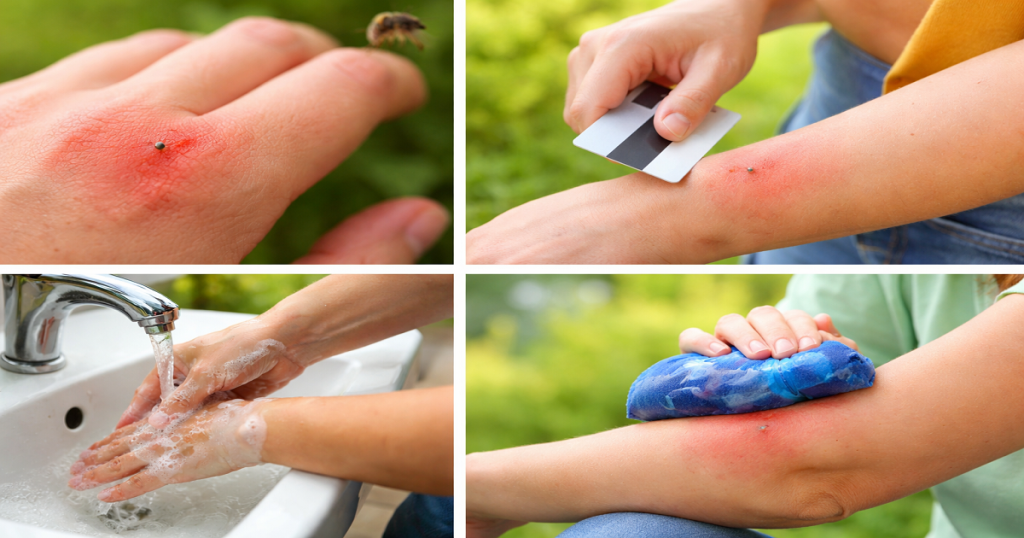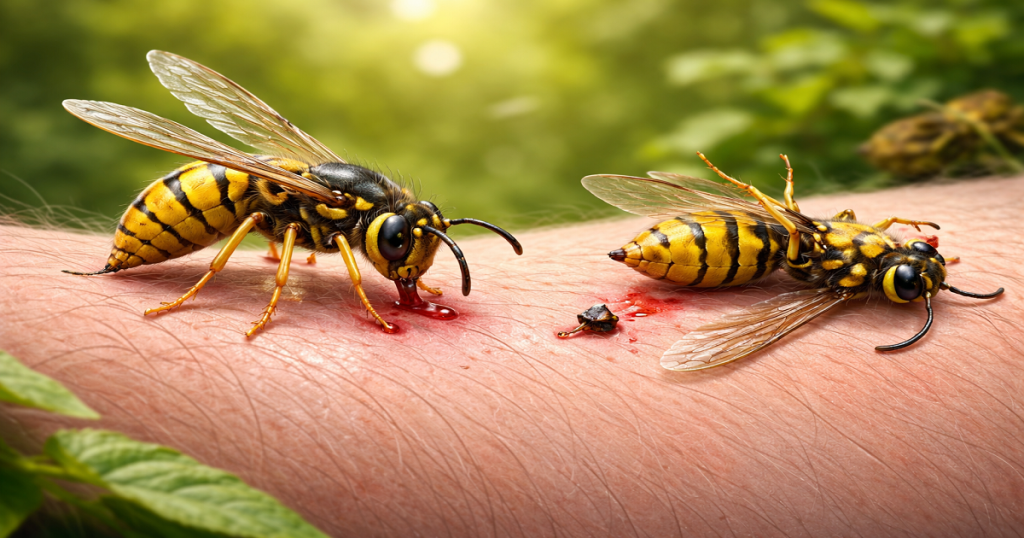
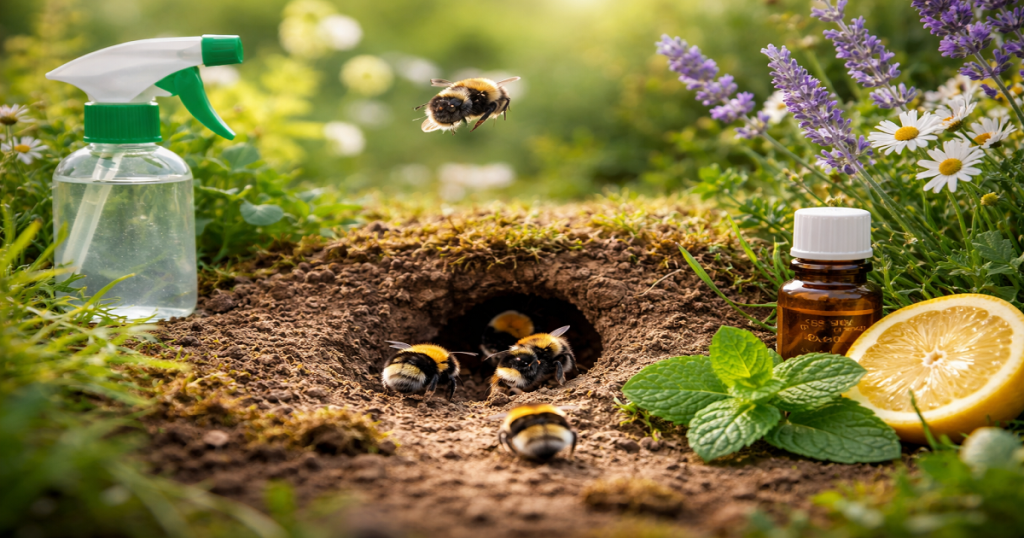
Bumblebees are important pollinators, and they help both natural ecosystems and food production. They play a key role in pollinating crops such as tomatoes, blueberries, and peppers, using a unique technique called buzz pollination. Because of this, bumble bees are generally beneficial and are often welcomed in gardens and landscapes.
However, some homeowners want to use essentials to remove bumblebees when they build a nest too close to areas where people regularly walk, gather, or play. Common problem locations include doorways, patios, wall cavities, and other high-traffic spaces. In these situations, the concern is usually not the bees themselves, but the risk of accidental encounters that could lead to stings, especially for children, pets, or individuals with bee-sting allergies.
Before taking action, it is important to identify the bees correctly and consider whether the nest can be left undisturbed until the colony naturally dies out at the end of the season. When a nest creates a genuine safety concern, humane relocation or professional assistance is often the safest and most responsible solution.
What are bumblebees?
Bumble bees are beneficial pollinators that help many plants, flowers, and crops reproduce. They are known for their fuzzy bodies and their ability to perform “buzz pollination.”
They are not like many stinging insects. Bumblebees are generally non-aggressive. They do not actively seek out people to sting and will usually defend themselves only when they feel threatened or when their nest is disturbed. For this reason, it is important to carefully evaluate the situation before attempting any type of removal. In many cases, the bees pose little risk when left undisturbed.
A typical bumble bee colony is relatively small, usually containing between 50 and 400 bees. The colony begins in early spring when a fertilized queen emerges from hibernation and searches for a suitable nesting site. Once she establishes a nest, she lays eggs and raises the first generation of worker bees.
Throughout late spring and summer, worker bees expand the colony, collect nectar and pollen, and care for developing young. By late summer, the colony produces new queens and male bees. As temperatures cool in the fall, most worker bees and males die naturally. Only newly fertilized queens survive the winter and start new colonies the following spring.
Because bumble bee colonies are seasonal, many nesting situations are temporary. If the nest is located away from areas where people regularly gather, it may be possible to leave it undisturbed until the colony naturally dies out.
Where Build Bumble Bees Nest
Bumble bees prefer sheltered locations that provide protection from weather, predators, and human disturbance. Understanding where they commonly nest can help homeowners identify colonies and make informed decisions about management.
Underground Burrows
One of the most common nesting locations is underground. Bumble bees often use abandoned rodent burrows, which provide ready-made shelter and insulation. These nests may appear as small holes in the ground with bees regularly flying in and out.
Dense Vegetation and Compost Piles
Overgrown grass, leaf piles, shrubs, and compost heaps can provide warm, protected nesting sites. Because these areas experience little human activity, they are attractive locations for developing colonies.
Wall Cavities, Attics, and Sheds
Bumble bees may occasionally nest inside wall voids, attics, sheds, or other enclosed structures. These dry and insulated spaces can support a colony throughout the season. However, nests in or near buildings may become a concern when bee activity occurs close to doors, windows, or ventilation openings.
Decks, Porches, and Other Outdoor Structures
Covered outdoor structures such as decks, porches, and crawl spaces can also provide suitable nesting conditions. Because these areas are often hidden from view, colonies may remain unnoticed until bee activity increases.
Each nesting location presents a different level of risk. Proper identification of both the bees and the nest location is important before deciding whether removal is necessary.
When You Should Remove Bumble Bees
Bumble bees provide valuable pollination services, so removal should be considered only when there is a legitimate safety concern. In many situations, coexistence is the safest and most environmentally responsible option.
Situations Where Removal May Be Necessary
Removal may be appropriate when:
The nest is located near a doorway, patio, walkway, playground, or another high-traffic area. People or pets frequently come into close contact with the nest. A household member has a known allergy to bee stings. The bees display defensive behavior because the nest is being disturbed regularly. The nest location creates an ongoing safety risk that cannot be avoided.
Removal is often unnecessary when:
The nest is located in a quiet area with little human activity. The bees remain calm and are not showing defensive behavior. People and pets can easily avoid the nesting site. The colony is nearing the end of its seasonal life cycle in late summer or fall.
Since most bumble bee colonies naturally die out at the end of the season, waiting may be a practical option when the nest does not pose an immediate risk. Allowing the colony to complete its lifecycle helps support local pollination while avoiding unnecessary disturbance to these beneficial insects.
Safe and Humane Bumble Bee Removal Methods
When a bumble bee nest creates a genuine safety concern, humane removal or relocation is the preferred solution. Because bumble bees are valuable pollinators, removal should focus on protecting both people and the colony whenever possible.
Professional Bumble Bee Relocation
Professional relocation is generally the safest and most effective option when a bumble bee nest must be removed. Licensed pest management professionals or experienced beekeepers have the knowledge, training, and equipment needed to handle bee colonies safely.
Experts understand bumble bee behavior and can relocate the nest while minimizing stress on the colony. In many cases, relocation is performed during the evening or early morning when most bees are inside the nest. This helps reduce the chance of bees being left behind and allows for a more controlled transfer to a suitable location.
Avoid Using Chemical Pesticides
Chemical pesticides are not recommended for controlling bumble bees in most situations. While pesticides may seem like a quick solution, they can harm beneficial pollinators and negatively impact the local environment.
Pesticides may also contaminate soil, flowers, and nearby plants that support other pollinating insects. In some cases, improper pesticide use can agitate the colony, increasing the risk of defensive behavior and accidental stings. Whenever possible, consider non-lethal management methods or seek professional guidance before taking action.
Managing Ground Nests Safely
Many bumble bees build nests underground, often inside abandoned rodent burrows. These nests can be difficult to spot and are easily disturbed by lawn maintenance, gardening, or foot traffic.
Avoid digging, flooding, or attempting to destroy a ground nest. These actions can provoke defensive behavior and increase the risk of stings. Instead, mark the nest location and keep people and pets away from the area. If the nest presents a safety concern, contact a qualified professional to evaluate whether relocation is necessary.
Handling Nests Inside Buildings and Structures
Bumble bee nests found inside walls, attics, sheds, crawl spaces, or other structures should be handled with extra care. Improper removal can trap bees inside a building or cause them to move into other areas of the structure.
Sealing entry points before the colony has been removed can create additional problems, including increased bee activity indoors. Professional removal helps ensure the nest is safely addressed and that access points are properly sealed afterward to prevent future nesting.
Preventing Future Bumble Bee Nesting
Prevention focuses on reducing attractive nesting sites while still supporting the important role bumble bees play in the environment.
Seal Potential Entry Points
Inspect your home’s exterior regularly and seal cracks, gaps, and openings around walls, foundations, siding, and utility lines. Closing these access points can prevent bees from nesting inside structures.
Install Protective Screens
Use mesh screens over vents, crawl-space openings, and other gaps where bees may enter. Proper screening provides protection without affecting ventilation.
Maintain Your Yard
Keeping grass trimmed and removing excess vegetation can reduce potential nesting locations. Regular yard maintenance makes the area less appealing to bees seeking sheltered nesting sites.
Remove Debris and Leaf Piles
Piles of leaves, brush, and yard debris can provide protection for nesting colonies. Cleaning these areas helps reduce the number of suitable nesting locations.
Fill Abandoned Animal Burrows
Old rodent burrows are among the most common nesting sites for bumble bees. Filling unused burrows can significantly reduce the likelihood of future underground nests.
Inspect Outdoor Structures Regularly
Check sheds, garages, decks, porches, and other outdoor structures for signs of nesting activity. Early detection makes management easier and helps prevent colonies from becoming established near high-traffic areas.
Safety Considerations
If Someone Has a Bee Sting Allergy
Households with individuals who have a known bee sting allergy should take extra precautions around active nests. Even a single sting can cause a serious allergic reaction in some people.
If a nest is located near living areas, entrances, walkways, or places where people frequently gather, professional assessment is recommended as soon as possible.
When to Seek Emergency Medical Help
Most bumble bee stings cause only temporary pain, redness, and swelling. However, some people may experience a severe allergic reaction that requires immediate medical attention. Call emergency services or seek urgent medical care if a person develops symptoms such as:
Difficulty breathing
Swelling of the face, lips, tongue, or throat
Severe dizziness or fainting
Rapid heartbeat
Widespread hives or rash
Prompt medical treatment is essential when severe allergic reactions occur.
Natural Ways to Get Rid of Bumble Bees
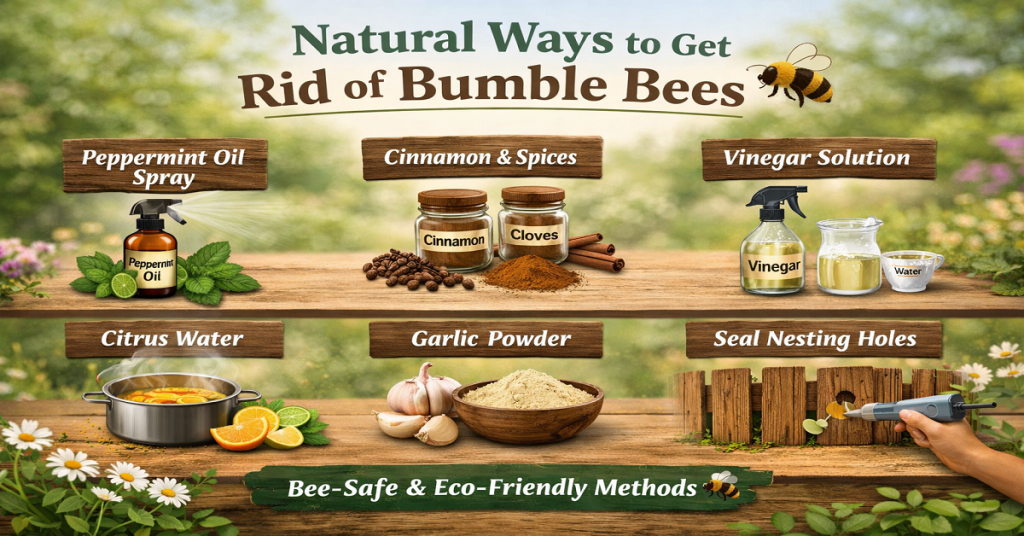
When bumble bees are nesting in an unwanted location, natural management methods can help reduce bee activity and discourage future nesting without harming these important pollinators. In many cases, prevention and habitat modification are more effective than attempting to remove an established colony.
The goal of natural control is to make an area less attractive to bumble bees while allowing them to continue their valuable role in pollination elsewhere.
Natural Repellents for Bumble Bees
Natural repellents may help discourage bumble bees from exploring or nesting in certain areas. While these methods are not guaranteed to remove an established colony, they can be useful for prevention and early intervention.
Peppermint Oil
Peppermint oil is commonly used as a natural insect deterrent because of its strong scent. Some homeowners apply diluted peppermint oil around doors, windows, sheds, patios, and other potential nesting locations.
While scientific evidence on its effectiveness against bumble bees is limited, the strong aroma may help make certain areas less appealing for nesting when used consistently.
Citrus Oils
Essential oils derived from citrus fruits, such as lemon and orange oils, can also be used as natural deterrents. Their strong fragrance may discourage bees from spending time in treated areas.
Applying citrus-based oils around outdoor structures, garden borders, and potential nesting sites may help reduce bee activity, particularly when combined with other prevention measures.
Vinegar Solutions
A mild vinegar solution can sometimes discourage bee activity in specific locations because of its strong odor. However, vinegar should be used carefully around plants, flowers, and lawns, as repeated application may damage vegetation. Vinegar is best viewed as a temporary deterrent rather than a long-term solution for bee management.
How to Keep Bumble Bees Away
Preventing nests from becoming established is usually easier and safer than dealing with an active colony. The following strategies can help reduce the likelihood of bumble bees nesting near your home.
Remove Potential Nesting Sites
Bumble bees frequently nest in abandoned rodent burrows, holes in the ground, and other protected spaces. Filling unused burrows and repairing ground depressions can help eliminate some of their preferred nesting locations.
Keep Outdoor Areas Clean
While bumble bees are primarily attracted to flowers rather than human food, maintaining clean outdoor spaces can help reduce overall insect activity. Promptly clean sugary spills and store food properly during outdoor gatherings.
Create Pollinator-Friendly Areas Away from the Home
Instead of trying to eliminate bee activity entirely, consider planting pollinator-friendly flowers farther away from entrances, patios, and high-traffic areas. This encourages bees to forage in designated garden spaces while reducing activity near your home.
Use Natural Deterrents Around Key Areas
Applying peppermint oil or citrus-based repellents around sheds, decks, garages, and other potential nesting sites may provide an additional layer of prevention. These methods work best when combined with habitat management and exclusion practices.
Maintain Your Yard Regularly
Routine lawn and garden maintenance can make your property less attractive for nesting. Trim overgrown vegetation, remove leaf piles, clear brush, and reduce clutter around outdoor structures. A well-maintained yard provides fewer sheltered locations where a colony can become established.
Seal Entry Points
Inspect your home regularly for gaps, cracks, and openings that could provide access to wall cavities, sheds, attics, or crawl spaces. Sealing these entry points can help prevent bees from nesting inside structures.
When to Call Professionals
While some situations can be managed through prevention and avoidance, professional assistance is recommended whenever safety concerns exist.
Nests Inside Buildings
Bumble bee nests located inside walls, attics, crawl spaces, garages, or sheds can be difficult to access and manage safely. Improper handling may cause bees to move into other parts of the structure or create additional problems.
High-Risk Nest Locations
Professional help is recommended when a nest is located near entrances, walkways, playgrounds, patios, or other areas with frequent human activity.
Defensive Bee Behavior
Although bumble bees are generally calm and non-aggressive, a colony may become defensive if it is repeatedly disturbed. If bees react aggressively to nearby movement, professional evaluation is advisable.
Bee Sting Allergies
If anyone in the household has a known allergy to bee stings, professional removal or relocation should be strongly considered. Even a single sting can cause a serious allergic reaction in sensitive individuals.
Hidden or Inaccessible Nests
Nests located inside walls, underground in hard-to-reach areas, or in concealed spaces should not be disturbed without proper training and equipment. Professionals can safely assess and manage these situations while reducing risks to both people and bees.
Frequently Asked Questions (FAQ)
How can you get rid of bumble bees naturally?
Use peppermint oil, citrus, or vinegar repellents and contact a beekeeper for relocation.
What should I do if bumblebees are in my wall?
Call a wildlife removal professional for humane extraction and seal gaps afterward.
Can I remove a bumblebee nest from the ground myself?
It’s possible, but safer with professional relocation to avoid harming the colony.
How to stop bumble bees from nesting near the house?
Seal cracks, use natural deterrents, and remove potential ground nest sites.
Are bumble bees dangerous?
Mostly non-aggressive; they sting only if provoked. They are essential pollinators.
How to prevent bumblebees from your garden?
Plant flowers away from homes, use eco-friendly repellents, and monitor nesting activity.
Is it legal to kill bumble bees?
Many species are protected. Always prioritize humane removal.
What are the best natural repellents for bumble bees?
Peppermint oil, citrus oil, and vinegar are safe and effective.
How to eliminate bumble bees safely in outdoor spaces?
Combine relocation, repellents, and IPM strategies for long-term results.
Can I hire someone to relocate bumble bees?
Yes, beekeepers and wildlife specialists offer safe and humane hive relocation services.
Conclusion
Learning how to get rid of bumble bees safely and effectively allows you to protect your home while supporting these vital pollinators. By understanding nesting behavior, seasonal activity, and colony life cycle; applying humane removal methods; and using natural deterrents, you can manage bees responsibly. Preventive strategies and Integrated Pest Management (IPM) approaches ensure long-term safety and a thriving garden ecosystem.
Respecting bumble bees while addressing infestations not only ensures personal safety but also sustains ecosystem balance and promotes a healthy outdoor environment.