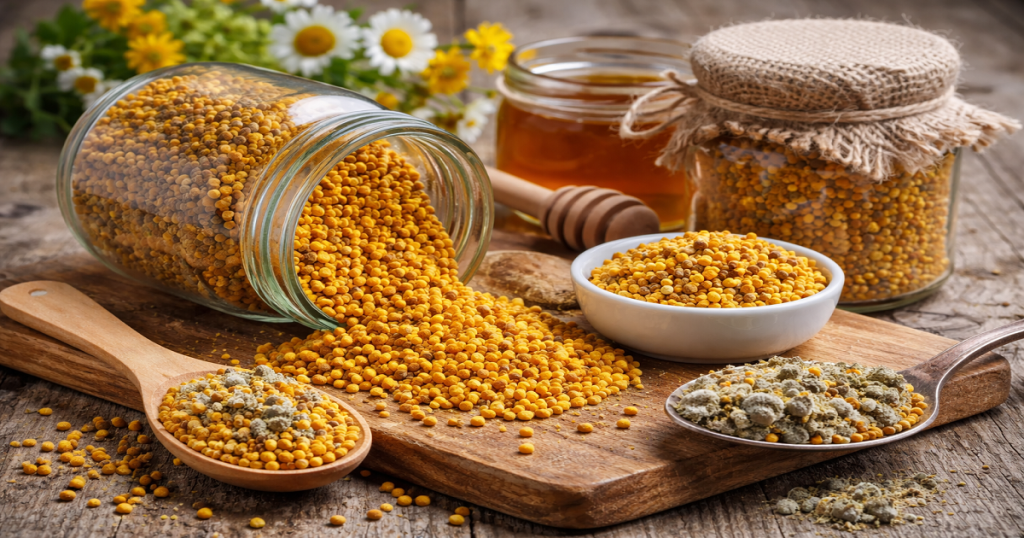
Bee pollen is often promoted as a natural “superfood,” but its potential benefits are best understood through science rather than marketing claims. Bee pollen is a natural mixture of flower pollen, nectar, enzymes, and bee secretions that honey bees collect and pack into small granules.
It contains a variety of nutrients, including amino acids, antioxidants, plant compounds, vitamins, and trace minerals. While bee pollen is not a miracle food, it helps to support overall nutrition as part of a balanced diet.
Many people take bee pollen to support energy levels, seasonal wellness, exercise recovery, and general health. But bee pollen is not suitable for everyone. Its nutritional composition can vary depending on the flowers, region, season, and harvesting methods. In addition, some individuals—especially those with pollen allergies or bee-related allergies. They may experience serious allergic reactions.
For this reason, learning how to use bee pollen and bee bread safely is just as important as understanding their potential benefits. Factors such as dosage, timing, storage, and product quality can affect both safety and effectiveness.
In this evidence-based guide, you will learn:
What current research says about the potential benefits of bee pollen
How beginners can start using bee pollen safely
Recommended dosage ranges and how to increase intake gradually
Possible side effects, allergy risks, and medication interactions
Who should avoid bee pollen altogether
How to choose a high-quality bee pollen product
By the end of this guide, you will have a clear understanding of how to use bee pollen safely, realistically, and effectively, based on available evidence rather than marketing hype.
What Is Bee Pollen?
Bee pollen is a natural substance produced when honey bees collect pollen from flowering plants and mix it with nectar, enzymes, and small amounts of bee secretions. The bees form this mixture into tiny granules and carry it back to the hive, where it serves as an important food source for the colony, particularly for young developing bees.
Many people assume bee pollen is simply plant pollen, but they are not the same. Plant pollen consists of microscopic grains released by flowers, while bee pollen has been collected and processed by bees. This process creates nutrient-rich granules that contain a combination of pollen, nectar, enzymes, and other natural compounds.
Today, bee pollen is widely used as a dietary supplement and is also included in apitherapy—the traditional use of bee-derived products such as honey, propolis, royal jelly, and bee pollen to support health and wellness.
One reason bee pollen attracts interest is its diverse nutritional profile. The exact nutrient content varies depending on factors such as the plant source, geographic region, climate, and season. However, high-quality bee pollen may contain:
- Protein and amino acids that help support normal body functions and tissue maintenance
- Vitamins and minerals, including B vitamins, vitamin C, magnesium, potassium, and trace minerals
- Antioxidants and flavonoids that help protect cells from oxidative stress
- Natural carbohydrates and enzymes that play a role in energy metabolism
- Plant compounds (phytonutrients) such as polyphenols that are being studied for their potential health-supporting properties
Because of this nutrient content, some people use bee pollen to help complement a balanced diet and support overall nutritional intake. However, bee pollen should not be viewed as a substitute for healthy eating, medical treatment, or professional healthcare advice.
It is also important to remember that product quality can vary significantly, and some individuals may be sensitive or allergic to bee pollen. People with pollen allergies, bee-related allergies, or a history of severe allergic reactions should consult a healthcare professional before using bee pollen.
Bee Pollen Benefits
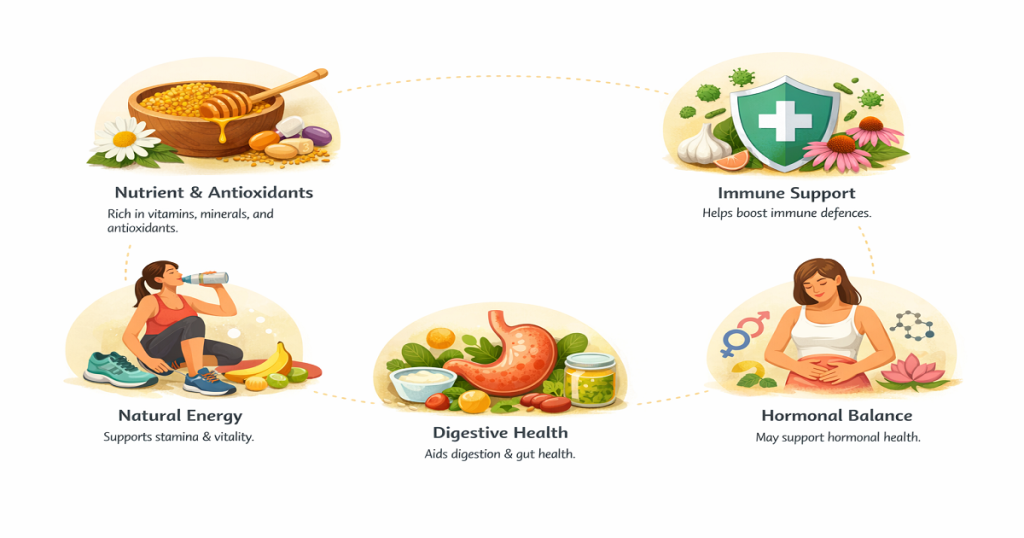
Bee pollen is often used as a natural supplement because it contains a wide range of nutrients and plant compounds in a concentrated form. While it is not a cure or treatment for any disease, it may support general health when combined with a balanced diet, regular exercise, good sleep, and appropriate medical care.
It is important to understand that the potential benefits of bee pollen can vary depending on product quality, plant source, dosage, and individual health conditions. Scientific research is still developing in many of these areas.
Rich in Nutrients and Antioxidants
Bee pollen is known for its dense nutritional profile. It may naturally contain protein, essential amino acids, carbohydrates, vitamins, minerals, enzymes, and plant-based antioxidants.
These nutrients play roles in supporting normal body functions, such as energy production, tissue maintenance, and metabolism. In particular, antioxidants like flavonoids and polyphenols help protect cells from oxidative stress, which is associated with aging and daily environmental exposure.
In everyday use, bee pollen may help complement a diet that lacks variety. However, it should not replace whole foods such as fruits, vegetables, legumes, and high-quality protein sources.
Supports Immune System Function
Bee pollen is commonly used to support overall immune health. Some of its natural compounds have been studied for antioxidant, anti-inflammatory, and antimicrobial activity, which may help the body maintain normal immune responses.
A strong immune system depends on many factors, including nutrition, sleep, stress levels, and physical activity. Bee pollen may provide supportive nutrients that help fill dietary gaps, but it is not a substitute for medical care or disease treatment.
Many people include bee pollen in their routine during seasonal changes or periods of increased stress as part of a general wellness approach.
Provides a Natural Energy Support
Unlike caffeine-based stimulants, bee pollen is valued for its nutritional support rather than a quick energy spike. It contains carbohydrates, amino acids, B vitamins, and minerals that may support normal energy metabolism in the body.
Some people report improved stamina, reduced tiredness, or better recovery when using bee pollen consistently alongside a healthy lifestyle. This is why it is sometimes added to smoothies, yogurt, or breakfast meals by active individuals.
However, persistent fatigue should not be ignored. If low energy continues, it is important to consider possible underlying causes such as sleep issues, nutrient deficiencies, or medical conditions, rather than relying only on supplements.
Supports Digestive Health
Bee pollen contains natural enzymes and nutrients that may support the digestive process and nutrient absorption. Some users include it in a gut-friendly routine along with fiber-rich foods, hydration, and fermented foods.
Possible digestive support may include:
- Helping the body break down food more efficiently
- Supporting nutrient absorption
- Contributing to overall digestive balance
Because individual responses vary, it is recommended to start with a small amount and observe tolerance. People with ongoing digestive issues should seek advice from a healthcare professional.
May Support Hormonal Balance
Bee pollen is sometimes used in relation to hormonal wellness, especially for energy, vitality, and menopausal comfort. However, current scientific evidence in this area is limited.
For this reason, expectations should remain realistic. Bee pollen may be considered a supportive addition to a healthy lifestyle that includes good nutrition, regular exercise, sleep, and medical guidance when needed.
It should not be used as a treatment for hormonal disorders or medical conditions. Individuals dealing with menopause symptoms, fertility concerns, or hormonal imbalances should consult a qualified healthcare provider.
How to Take Bee Pollen Safely
Bee pollen can be a helpful supplement for some people, but it is not suitable for everyone. Because it may cause allergic reactions in sensitive individuals, the safest approach is to start with a very small amount and increase slowly only if your body responds well.
Taking bee pollen safely is more important than taking a large amount. Gradual use helps you understand how your body reacts and reduces the risk of side effects.
Bee Pollen Dosage for Beginners
If you are new to bee pollen, start with a very small dose:
- Begin with ¼ teaspoon per day for the first few days
- If no negative reactions occur, slowly increase the amount
- A common daily range is 1 to 2 teaspoons per day
More is not necessarily better. Consistency at a moderate dose is generally more beneficial than taking large amounts.
Best Way to Consume Bee Pollen Granules
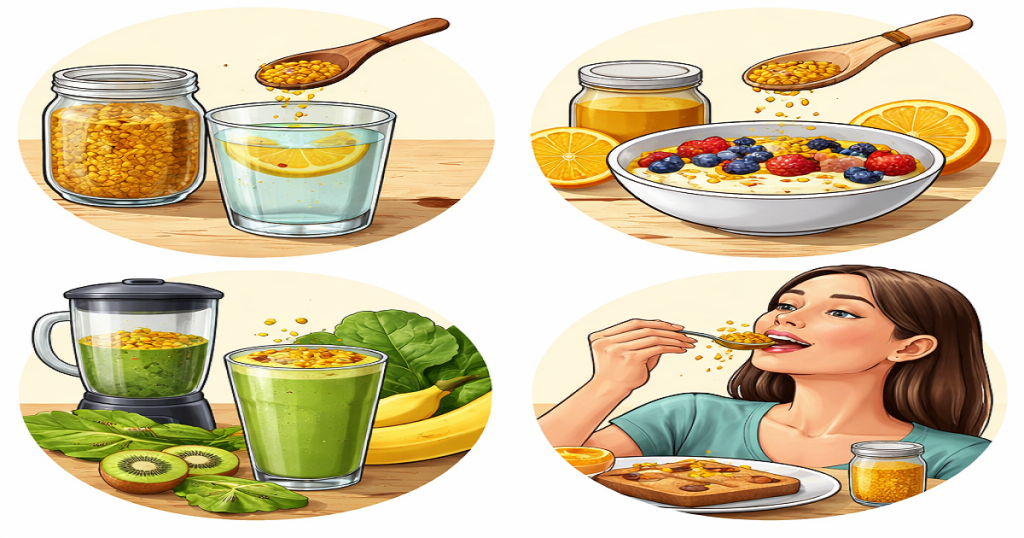
Bee pollen granules are easy to include in everyday meals. You can take them in simple and practical ways, such as:
- Sprinkling over yogurt, oatmeal, or cereal
- Blending into smoothies
- Mixing with honey
- Stirring into cool or lukewarm water
Avoid adding bee pollen to very hot foods or drinks. High heat may reduce some of its natural enzymes and beneficial plant compounds.
When to Take Bee Pollen
For most people, the best time to take bee pollen is in the morning or early afternoon. Because bee pollen may support energy levels, taking it earlier in the day can fit better with daily activity. Some people may feel more alert after taking it, so it is usually best to avoid it in the evening if it affects sleep.
Key Safety Rules
To use bee pollen safely, keep these important points in mind:
- Start with a small amount and increase slowly
- Stop use immediately if you notice symptoms such as itching, swelling, rash, or breathing difficulty
- Choose high-quality products from trusted sources
- Store bee pollen in a cool, dry place to maintain freshness
- Use it as a supplement, not as a replacement for healthy food or medical treatment
Bee pollen can be part of a healthy lifestyle, but it should always be used responsibly, especially for individuals with allergies or underlying health conditions.
Side Effects, and Who Should Avoid Bee Pollen
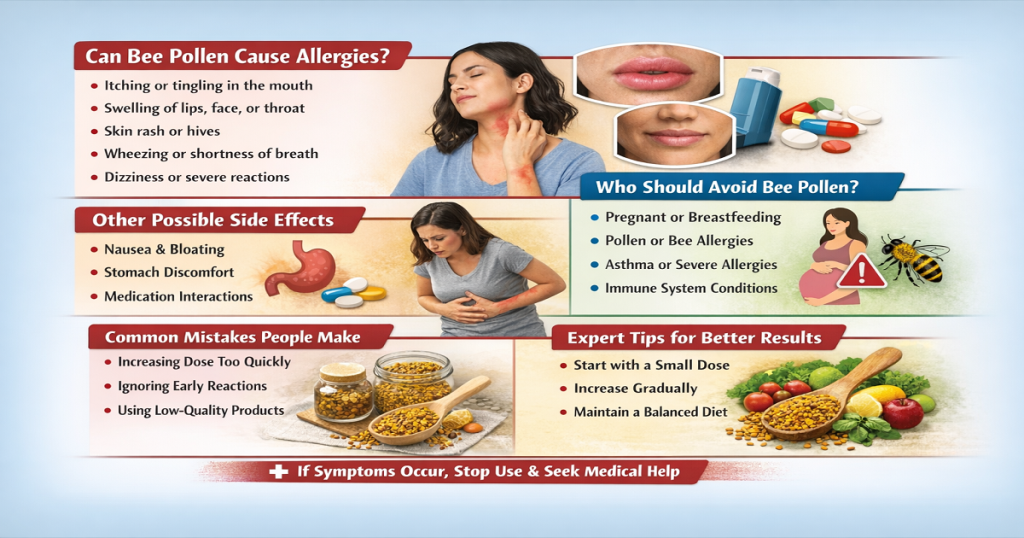
Bee pollen may offer nutritional benefits for some people, but it is not suitable or safe for everyone. The most important risk is an allergic reaction, especially in individuals who are sensitive to pollen, bee stings, or other bee-related products. In some cases, even a small amount can trigger symptoms.
Can Bee Pollen Cause Allergies?
Yes. Bee pollen can cause allergic reactions in sensitive individuals. Symptoms may include:
- Itching or tingling in the mouth
- Swelling of the lips, face, or throat
- Skin reactions such as rash or hives
- Wheezing or shortness of breath
- Dizziness or, in rare cases, severe allergic reactions
If any of these symptoms occur, stop using bee pollen immediately and seek medical attention.
Other Possible Side Effects
Some people may experience mild side effects when first using bee pollen, especially at higher doses. These may include:
- Nausea
- Bloating
- Stomach discomfort
Bee pollen may also interact with certain medications. For this reason, anyone taking regular prescription drugs should speak with a healthcare professional before using it.
Who Should Avoid Bee Pollen?
Bee pollen should generally be avoided or used only under medical supervision in the following groups:
- Pregnant or breastfeeding women
- People with pollen allergies or bee-product allergies
- Individuals with asthma or a history of severe allergic reactions
- People with immune system disorders or sensitivities
- Anyone taking medications that may interact with supplements
Common Mistakes People Make
Several common mistakes can increase the risk of side effects or reduce the benefits of bee pollen:
- Taking too much too quickly—This can increase the chance of sensitivity or allergic reactions
- Ignoring early warning signs – Mild symptoms like skin irritation or digestive discomfort are often early signals that the dose is too high
- Choosing low-quality products—Poor-quality bee pollen may contain fewer nutrients or unwanted impurities
- Expecting immediate results – Bee pollen works gradually as a nutritional supplement, not as a fast-acting treatment
Using bee pollen responsibly, starting with small amounts, and paying attention to your body’s response are key to safer use.
Frequently Asked Questions (FAQs)
What are the main bee pollen benefits?
Bee pollen supports energy, immunity, digestion, and overall health due to its rich nutrient content.
How much bee pollen should I take daily?
Start with ¼ teaspoon and gradually increase to 1–2 teaspoons per day.
Is bee pollen safe for daily use?
Yes, for most people—but only if taken in proper doses and without allergies.
Can bee pollen cause allergies?
Yes, especially in people sensitive to pollen or bee products.
When is the best time to take bee pollen?
Morning is best for energy and metabolism support.
How long does it take to see results?
Typically, 2–4 weeks with consistent use.
Can I mix bee pollen with food?
Yes—smoothies, yogurt, and honey are ideal options.
Is bee pollen good for men and women?
Yes, it may support energy, hormones, and overall health for both.
Does bee pollen help with immunity?
Yes, it contains compounds that support immune function.
Conclusion
Bee pollen is one of the most powerful natural dietary supplements, offering a wide range of benefits—from energy support to improved immunity and digestion. However, the key to unlocking these bee pollen benefits lies in proper use.
Start small, stay consistent, and always prioritize safety—especially if you have allergies. When used correctly, bee pollen can be a valuable addition to your daily nutrition routine. Ultimately, it’s not about taking more—it’s about taking it smartly and safely.