Bee bread is one of the most overlooked products inside a honey bee colony. While honey gets most of the attention, bee bread is the food young worker bees rely on for growth, brood care, and colony development. It begins as flower pollen collected by foraging bees, then changes inside the hive through a natural fermentation process.
That transformation matters. Raw pollen has a tough outer shell that can limit digestion. When bees pack pollen into comb cells and mix it with nectar, enzymes, and beneficial microbes, the material ferments and becomes more stable, more digestible, and easier for the colony to use. The result is bee bread: a concentrated source of protein, fatty acids, vitamins, minerals, and plant compounds.
In recent years, bee bread has attracted interest as a functional food and natural supplement. Supporters value it for nutrition, digestive support, antioxidant content, and convenient energy. Researchers are also exploring its microbial and bioactive properties. At the same time, it is important to stay realistic. Bee bread is a nutrient-rich food, not a miracle cure or substitute for medical care.
This guide explains the real benefits of bee bread, how it compares with bee pollen, how to use it safely, and what current evidence suggests.
What Is Bee Bread?
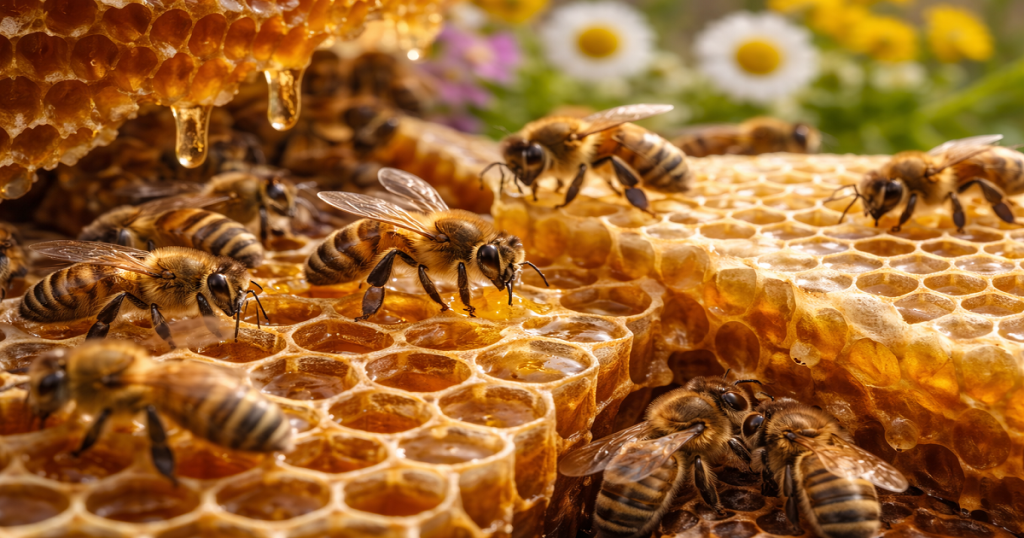
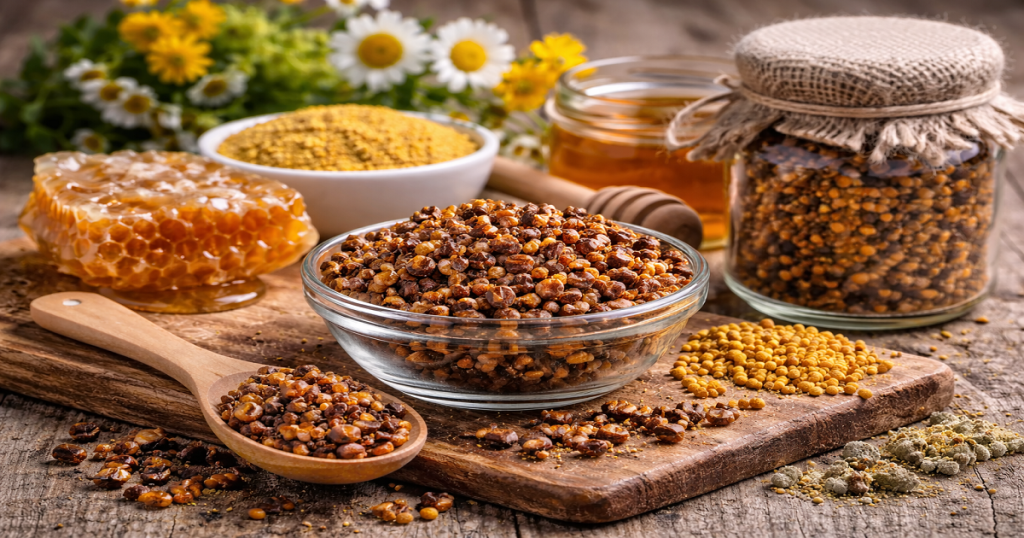
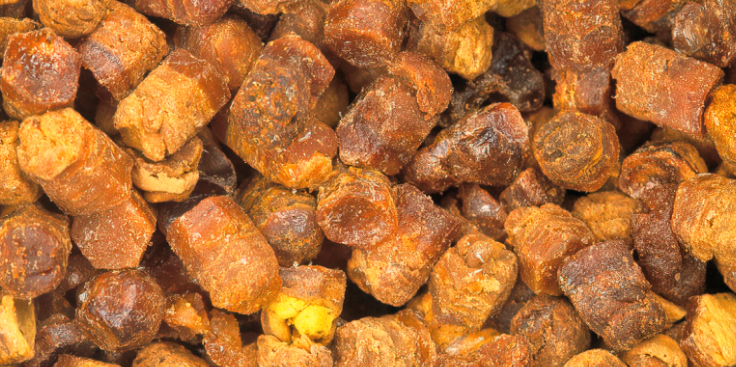
Bee bread is fermented pollen stored inside honeycomb cells. Worker bees gather pollen from flowers and carry it back to the hive in pellets on their hind legs. Once inside, they pack the pollen into wax cells, add nectar or honey, and mix in natural enzymes and microorganisms.
Over time, the stored pollen undergoes mild lactic acid fermentation. This helps preserve the food and may improve nutrient availability. Beekeepers often describe bee bread as the colony’s protein pantry because nurse bees use it to feed larvae and support the hive’s workforce.
Bee bread can vary in color, aroma, and taste depending on the flowers visited by the bees. Spring blossoms, wildflowers, orchard crops, and regional plants all influence its final composition.
Top Bee Bread Benefits
May Be Easier to Digest Than Raw Bee Pollen. One of the biggest practical advantages of bee bread is its digestibility. Raw pollen grains have a resilient outer wall that can make nutrients harder to access. Fermentation helps break down some of that structure.
For many people, bee bread feels gentler on digestion than raw pollen. That does not mean everyone will notice a dramatic difference, but the fermented form may be easier to tolerate and absorb. If someone tried bee pollen in the past and found it heavy or difficult to digest, bee bread may be the better option.
Supports Daily Nutrition
Bee bread is not usually eaten in large quantities, yet even small servings can contribute useful nutrients. It offers proteins, trace minerals, vitamins, and plant compounds in one food source.
This can be helpful for people who want to diversify nutrient intake through whole foods rather than relying only on synthetic supplements. It works best as part of an already balanced diet that includes fruits, vegetables, protein sources, and healthy fats. Think of bee bread as a nutritional addition, not a replacement for healthy eating.
Natural Energy Support
Bee bread contains carbohydrates for quick fuel, amino acids involved in metabolism, and B vitamins that help convert food into usable energy. Many people use small servings before exercise, physically demanding work, or busy mornings.
Unlike stimulant-heavy energy products, bee bread does not depend on large doses of caffeine or artificial additives. The effect is usually subtle and nutritional rather than dramatic. It is better viewed as steady support than a sudden energy spike.
Rich in Antioxidants
Flower pollen naturally contains protective plant compounds. Because bee bread starts as pollen, it can provide flavonoids, phenolic acids, and carotenoids that help defend cells from oxidative stress.
Oxidative stress is associated with aging, inflammation, and long-term wear on the body. Antioxidant-rich foods help counter that process as part of an overall healthy lifestyle.
Bee bread should not be treated as a standalone solution, but it can fit well into an antioxidant-focused diet that also includes berries, greens, herbs, nuts, and colorful vegetables.
May Support Gut Health
Fermented foods are often valued for digestive wellness, and bee bread is no exception. Depending on how it is produced and stored, it may contain beneficial microorganisms or fermentation byproducts that support a healthy gut environment.
A healthy gut microbiome is linked with digestion, immune regulation, and nutrient metabolism. While bee bread is not equivalent to a clinically tested probiotic supplement, it may complement a gut-friendly diet that includes fiber-rich foods and fermented staples.
Supports Immune Function Through Nutrition
The immune system relies on adequate intake of nutrients such as zinc, selenium, amino acids, and vitamins. Bee bread contains several of these compounds naturally.
That does not mean it prevents illness or treats infections. Rather, it may help support normal immune function the same way many nutrient-dense foods do: by helping the body meet its nutritional needs. This distinction matters. Supporting health is different from making medical claims.
May Help Support Heart-Healthy Habits
Bee bread contains minerals such as potassium and magnesium, which are important for normal cardiovascular function. It also provides antioxidant compounds that may help reduce oxidative stress.
No food alone can guarantee heart health. Blood pressure, cholesterol, sleep, activity level, genetics, and overall diet all matter more. Still, replacing ultra-processed snacks with nutrient-dense foods like bee bread may be a positive step within a heart-conscious routine.
Healthy Aging Support
Aging is influenced by many factors, including nutrition, inflammation, sleep quality, physical activity, and environmental stress. Bee bread contributes nutrients and antioxidants that support normal cellular function over time.
It is not an anti-aging shortcut. However, consistently choosing nutrient-rich foods can be part of a long-term wellness strategy.
Help Liver Health
The liver plays a central role in detoxification, metabolism, and hormone regulation. Protecting liver cells from oxidative stress is essential for maintaining proper liver function. Bee bread contains antioxidant and anti-inflammatory compounds that may help protect liver cells from damage caused by free radicals.
Some animal studies on fermented bee products have suggested potential liver-protective properties. These effects are thought to be related to the high concentration of plant antioxidants and bioactive compounds found in fermented pollen. While more research is required, these findings suggest that bee bread may contribute to overall metabolic health.
Skin Health
Healthy skin depends on adequate nutrition, including vitamins, antioxidants, and amino acids. Bee bread contains several nutrients associated with skin health, including: Vitamin E, antioxidants, amino acids, and trace minerals. These compounds help protect skin cells from oxidative stress and support natural repair processes.
For this reason, some natural skincare products incorporate bee-derived ingredients such as honey, propolis, or pollen extracts. While eating bee bread alone will not dramatically change skin health, it may contribute to overall nutritional support for healthy skin.
Bee Bread vs Bee Pollen: Which Is Better?
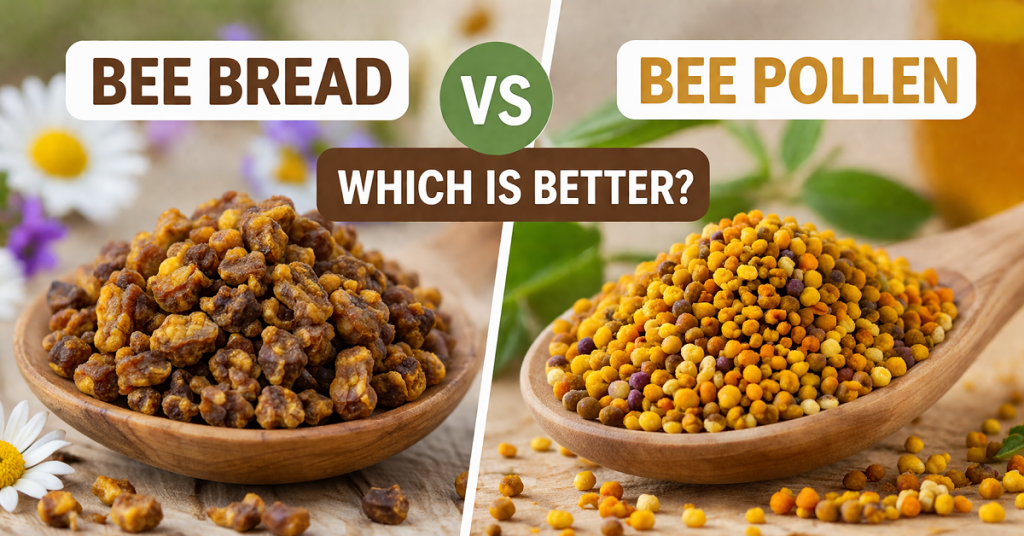
The question of whether bee bread or bee pollen is “better” doesn’t have a one-size-fits-all answer. In practical use, they serve slightly different purposes, and the better choice depends on your preferences, tolerance, and how your body responds.
Bee bread is essentially fermented pollen that has been naturally processed inside the hive. This fermentation breaks down the outer shell of pollen grains, which many people find easier to digest. As a result, those who have difficulty digesting raw pollen often prefer bee bread because it tends to feel gentler on the stomach and more bioavailable.
Bee pollen, on the other hand, is more widely available and typically more affordable. It is collected directly from bees before undergoing fermentation, so it retains its raw form. Many users choose bee pollen because it is easier to find, has a milder taste, and fits more conveniently into daily routines.
In real-world use, people who prioritize digestibility and microbial complexity often lean toward bee bread. Those looking for accessibility, cost efficiency, and simplicity tend to choose bee pollen. Neither is inherently superior—it comes down to individual needs and expectations.
What Does Bee Bread Taste Like?
Bee bread has a noticeably more complex flavor than raw bee pollen due to its natural fermentation process. Inside the hive, pollen is mixed with nectar and enzymes, then stored in honeycomb cells where beneficial microbes begin fermentation. This process alters both taste and texture.
Most people describe the flavor as mildly sweet with a tangy or slightly sour edge. The sweetness comes from nectar sugars, while the tanginess develops during fermentation, somewhat similar to mild fermented foods like yogurt or sourdough.
The exact taste can vary significantly depending on the floral source. Bee bread made from wildflower pollen may taste more earthy and robust, while batches derived from specific plants can carry subtle floral or nutty notes. Freshness also plays a role—newer bee bread tends to have a brighter flavor, while older batches may taste deeper and more acidic.
If you are trying bee bread for the first time, it is best to start with a small amount. The flavor can be unfamiliar at first, but many people develop a preference for its complexity over time.
How to Use Bee Bread
In everyday use, bee bread is surprisingly versatile and can be added to a variety of foods without much effort. Because it comes in small granules or pellets, it blends easily into meals without requiring preparation. A simple way to start is by eating it directly in small amounts. This allows you to experience its natural taste and observe how your body responds. Many people also mix it into yogurt or smoothies, where its tangy notes complement creamy textures.
It can also be added to oatmeal after cooking, sprinkled over fruit bowls, or combined with nut butter on toast. Some users incorporate it into homemade snack bars or energy bites for convenience.
One important practical tip is to avoid exposing bee bread to high heat for extended periods. While it is not extremely fragile, prolonged heating may reduce some of its more delicate compounds. For this reason, it is generally best added to foods after cooking rather than during.
Recommended Intake
There is no universally established medical dosage for bee bread, as its composition can vary depending on the source and preparation. However, practical usage guidelines have emerged from both traditional use and modern experience. For beginners, starting with about half a teaspoon per day is a sensible approach.
This allows the body to adjust gradually, especially since bee bread contains concentrated compounds and naturally occurring microbes. Regular users often increase their intake to one or two teaspoons daily, depending on personal preference and tolerance. In practice, moderation tends to work best.
Increasing the amount too quickly does not necessarily provide additional benefits and may lead to mild digestive discomfort in sensitive individuals. As with any natural product, it is advisable to observe how your body responds and adjust accordingly.
Who Should Avoid Bee Bread?
Although bee bread is a natural product, it is not suitable for everyone. Because it originates from pollen and undergoes fermentation, it can trigger reactions in certain individuals. People with known pollen allergies should be particularly cautious. Even small amounts may cause symptoms such as itching in the mouth, skin irritation, or swelling. In more serious cases, allergic reactions can include breathing difficulties or dizziness.
Individuals with sensitivities to fermented foods may also experience mild digestive discomfort. Additionally, those with asthma triggered by allergens should approach bee products carefully, as airborne or ingested pollen can sometimes act as a trigger.
As a general precaution, pregnant or breastfeeding individuals, children, and people with existing medical conditions should consult a qualified healthcare professional before using bee bread regularly. This is especially important when introducing any concentrated natural product into the diet.
How to Choose Quality Bee Bread
The quality of bee bread can vary significantly depending on how it is harvested, handled, and stored. Because it is less common than bee pollen, careful sourcing becomes even more important. A reliable indicator of quality is the reputation of the beekeeper or supplier.
Transparent sourcing practices and clear labeling help ensure that the product is genuine and properly handled. Authentic bee bread should have a clean, slightly tangy aroma without any musty or off-putting smell. In terms of appearance, the granules should look dry or slightly firm, not overly moist or sticky. Visible spoilage or unusual discoloration is a sign that the product may not have been stored correctly.
Because bee bread is produced in smaller quantities and requires more effort to collect, unusually low prices can sometimes indicate lower quality or mislabeling. Choosing a trusted source is one of the most effective ways to ensure safety and authenticity.
How Beekeepers Harvest Bee Bread
From a beekeeping perspective, harvesting bee bread is considerably more complex than collecting honey. Unlike honey, which can be extracted using centrifugal force, bee bread is tightly packed into honeycomb cells and must be removed carefully.
In practice, beekeepers often freeze the comb first. This helps loosen the compacted pellets, making them easier to extract without damaging the structure. Specialized tools or manual methods are then used to remove the bee bread from individual cells.
Because bee bread is a vital food source for the colony, responsible beekeepers harvest it in limited quantities. They ensure that enough remains in the hive to support the bees, especially during periods when natural food sources are scarce. This careful approach is one reason why genuine bee bread is less widely available and often more expensive than bee pollen.
How to Store Bee Bread
Proper storage plays a key role in maintaining the quality and freshness of bee bread. Because it contains natural compounds and some moisture, it should be protected from environmental factors that could lead to spoilage.
In everyday use, storing bee bread in an airtight container is essential. Exposure to air and humidity can affect both texture and stability. Keeping it in a cool, dry place away from direct sunlight helps preserve its properties over time.
For longer storage, refrigeration is often recommended. This slows down any ongoing microbial activity and helps maintain freshness. It is also important to avoid introducing moisture into the container, as this can increase the risk of spoilage.
Different products may have slightly different storage requirements depending on how they were prepared, so it is always best to follow the supplier’s instructions when available.
Frequently Asked Questions
Is bee bread better than bee pollen?
Not always. Bee bread may be easier to digest because it is fermented, but bee pollen is often cheaper and easier to find.
Can bee bread improve digestion?
It may support digestion due to fermentation and easier nutrient access, but results vary by person.
Is bee bread a probiotic?
It may contain beneficial microbes, but it should not be assumed equivalent to a clinically tested probiotic supplement.
How long does bee bread last?
Shelf life depends on moisture content, storage, and packaging. Properly stored products may last for months.
Can athletes use bee bread?
Some active people use it as a whole-food energy source, but it should complement an overall nutrition plan.
Final Verdict
Bee bread is a unique fermented hive food made from pollen, nectar, enzymes, and beneficial microbes. Its biggest strengths are nutrient density, potential digestibility advantages over raw pollen, antioxidant content, and convenient everyday use.
It is not a miracle supplement, and research on direct human health outcomes is still evolving. But for people who tolerate bee products well and want a natural, nutrient-rich addition to their diet, bee bread can be a valuable option.
The best approach is simple: choose quality sources, start with small servings, store them properly, and treat them as one part of a healthy lifestyle rather than a cure-all.