Have you ever felt a sudden, painful sting while spending time outdoors and wondered what caused it? If so, yellow jackets may have been the culprit. These fast-moving insects are common in backyards, parks, gardens, and picnic areas, yet many people are unsure whether yellow jackets sting, bite, or both.
The short answer is that yellow jackets are best known for their painful stings. Unlike honey bees, they can sting multiple times and often become aggressive when they feel their nest or food source is threatened. This behavior makes them one of the most troublesome stinging insects people encounter outdoors.
Understanding how yellow jackets behave is more than just an interesting fact—it can help you stay safe. Their stings can cause immediate pain, swelling, and irritation, and some individuals may experience severe allergic reactions that require medical attention.
In this guide, you’ll learn how yellow jackets interact with humans, whether they bite or sting, what happens when you’re stung, how to treat a sting properly, and practical ways to avoid unwanted encounters. Drawing on established entomology and pest-management knowledge, this article provides straightforward, reliable information to help you recognize the risks and enjoy the outdoors with greater confidence.
Do Yellow Jackets Sting Humans?
Yes, yellow jackets do sting humans, and stinging is their main form of defense. When they feel threatened, especially near their nest, they can react quickly and aggressively. Unlike many insects that try to avoid conflict, yellow jackets are known for defending their colony and food sources with little hesitation.
A yellow jacket’s stinger is connected to a venom sac that injects venom into the skin. This venom causes the sharp pain, redness, and swelling most people experience after being stung. Because yellow jackets can become highly defensive, encounters near a nest often result in multiple stings rather than just one.
Do Yellow Jackets Bite?
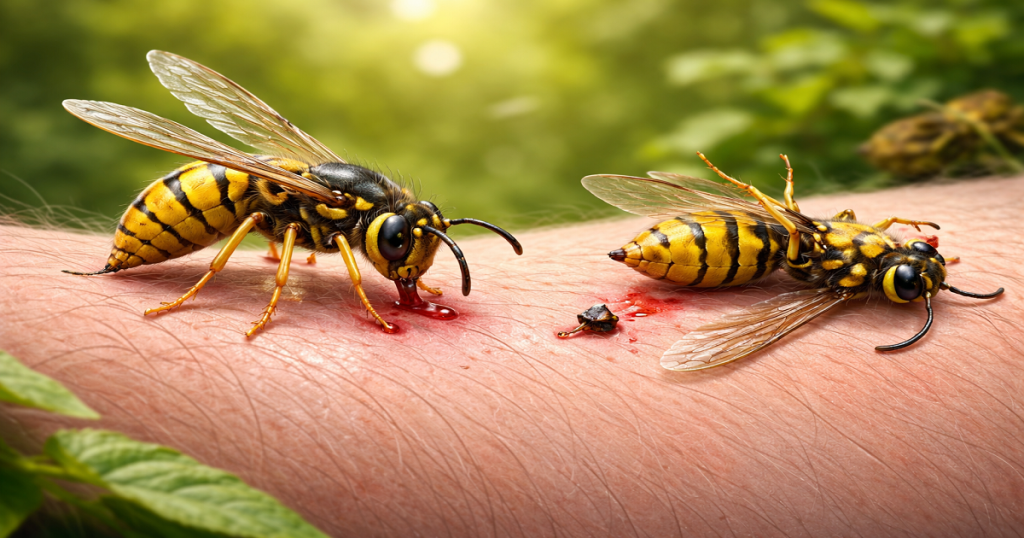
Technically, yes. Yellow jackets have strong jaws, called mandibles, that they use to chew food, capture insects, and help build their nests. However, biting is not their primary way of defending themselves against people.
In most cases, what people describe as a “yellow jacket bite” is actually a sting. While a yellow jacket may use its jaws to grip the skin, the pain and irritation usually come from the venom injected through its stinger, not from the bite itself.
Important Facts About Yellow Jacket Stings
Yellow jackets are social wasps that live in colonies made up of a queen and worker wasps. Because they work together to protect their nest, they can respond aggressively when they sense danger.
One feature that makes yellow jackets different from honey bees is their smooth stinger. A honey bee’s stinger becomes lodged in the skin after a sting, which causes the bee to die. Yellow jackets, on the other hand, can pull their stinger back out and use it repeatedly. This allows them to sting multiple times without harming themselves.
Can Yellow Jackets Sting More Than Once?
Yes. In fact, yellow jackets can sting repeatedly, making them one of the more aggressive stinging insects people encounter outdoors. If a nest is disturbed, a single yellow jacket may sting several times in quick succession. Even more concerning, other colony members may join the attack. When a yellow jacket stings, it releases chemical signals known as alarm pheromones that alert nearby wasps to the threat. This can trigger a group response, leading to multiple stings within seconds.
For this reason, it’s important to move away calmly and quickly if you notice yellow jackets flying around a nest or behaving defensively. Avoid swatting at them, as sudden movements can make them more likely to attack.
Yellow Jacket Behavior and Aggression
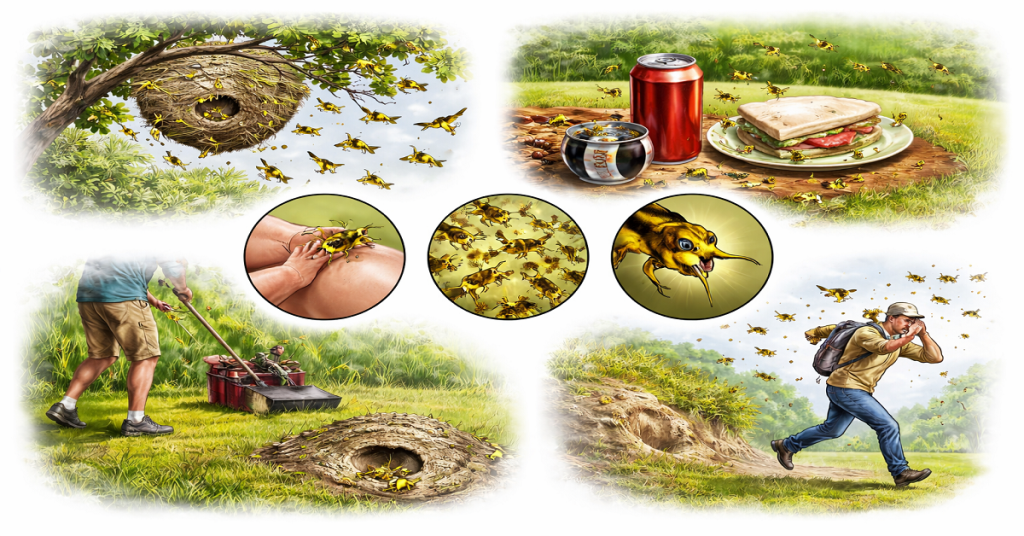
Yellow jackets have a reputation for being aggressive, but their behavior is often misunderstood. In most situations, they are simply searching for food or protecting their colony. Problems usually arise when people accidentally get too close to a nest or when yellow jackets become attracted to food and drinks during outdoor activities. Understanding why these insects behave the way they do can help you avoid unwanted encounters and reduce your risk of being stung.
Are Yellow Jackets Dangerous?
Yellow jackets can be dangerous under certain circumstances. While they do not actively seek out people to attack, they will defend themselves and their nest if they feel threatened.
Their potential danger comes from three main factors:
- They can sting multiple times.
- Several yellow jackets may attack at once.
- Their venom can trigger severe allergic reactions in some individuals.
For most people, a sting causes temporary pain, swelling, and irritation. However, multiple stings or an allergic reaction may require medical attention.
Why Are Yellow Jackets So Aggressive?
Yellow jacket aggression is closely tied to survival and colony protection. Worker yellow jackets spend much of their time gathering food and defending the nest, making them highly responsive to potential threats.
Their behavior often becomes more noticeable in late summer and early fall. During this period, natural food sources become less abundant, causing yellow jackets to search more actively for alternative food. This is why they are frequently seen around picnic tables, trash cans, sugary drinks, fruit, and outdoor gatherings.
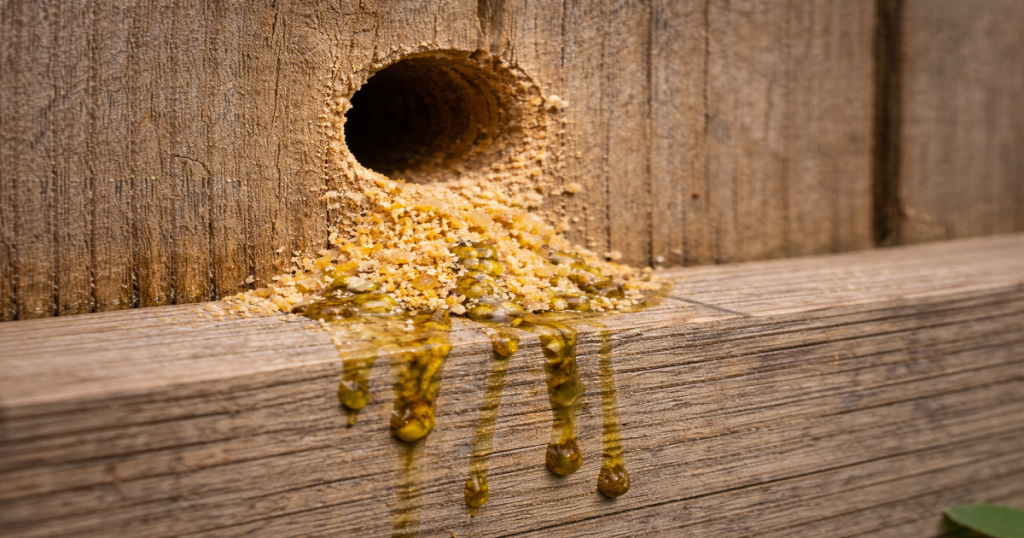
Yellow jackets are also extremely protective of their nests. Activities such as mowing the lawn, trimming shrubs, digging in the ground, or even walking too close to a hidden nest can trigger a defensive response.
Can Yellow Jackets Chase You?
Yes. Unlike some stinging insects that attack once and fly away, yellow jackets may actively chase a person they perceive as a threat. This behavior is part of their nest-defense strategy. If a yellow jacket believes its colony is in danger, it may pursue the intruder for a considerable distance to drive them away from the area.
If you encounter aggressive yellow jackets, the safest response is to move away quickly and calmly. Avoid swatting at them or making sudden movements, as this can increase their defensive behavior.
What Happens When a Yellow Jacket Stings You?
A yellow jacket sting is more than a simple puncture wound. When the stinger penetrates the skin, it injects venom containing a mixture of proteins and enzymes. These substances immediately interact with the body’s tissues and immune system, causing the familiar symptoms of a sting. Most people experience:
- Sharp, immediate pain
- Redness around the sting site
- Swelling
- Itching or burning sensations
The severity of the reaction varies from person to person. While many stings cause only mild discomfort, some individuals may develop larger local reactions or, in rare cases, a serious allergic response that requires emergency medical care. Because yellow jackets can sting repeatedly, symptoms may become more severe when multiple stings occur within a short period.
Yellow Jacket Sting Symptoms
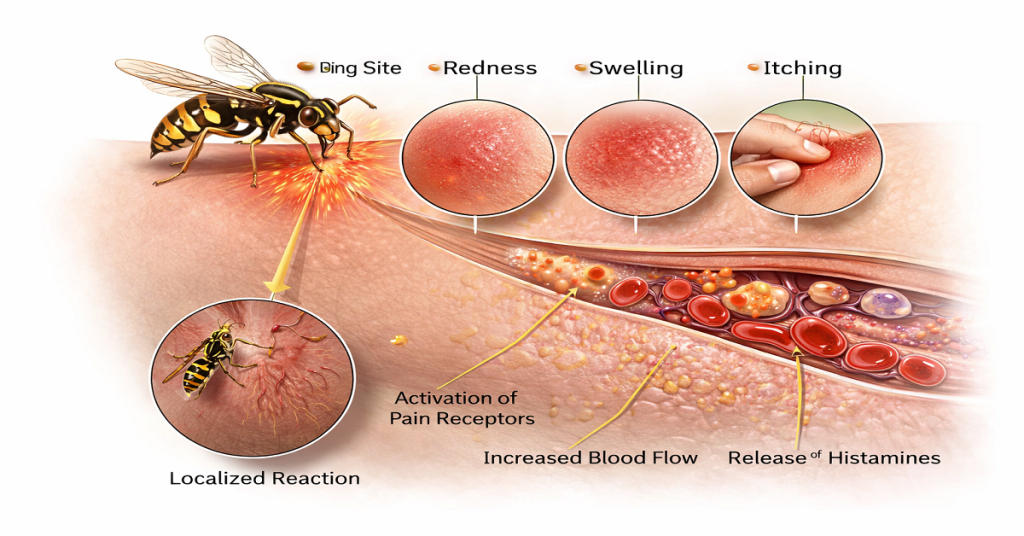
The symptoms of a yellow jacket sting can vary from person to person, but most people experience a mild to moderate reaction that remains limited to the sting area. The body’s immune system responds to the venom almost immediately, leading to several common symptoms. Understanding what is normal—and what may require medical attention—can help you respond appropriately after a sting.
Localized Reaction
For most individuals, a yellow jacket sting causes a localized reaction. This means the symptoms stay confined to the area surrounding the sting rather than affecting the entire body.
Common symptoms include:
- Immediate sharp or burning pain
- Redness around the sting site
- Swelling of the surrounding tissue
- Itching or irritation
These reactions are a normal response to the venom. In most cases, discomfort is strongest during the first few hours after the sting and gradually improves over the next one to three days.
How Painful Is a Yellow Jacket Sting?
Yellow jacket stings are often described as intensely painful compared to many other common insect stings. The pain usually begins instantly and may feel sharp, burning, or throbbing.
Several factors can influence how painful the sting feels, including:
- The location of the sting
- Individual sensitivity to venom
- The number of stings received
- Whether the area is particularly sensitive, such as the face, lips, or neck
While the initial pain can be significant, it typically decreases much faster than the swelling and itching that follow.
What Does Yellow Jacket Venom Do?
Yellow jacket venom contains a mixture of proteins, enzymes, and other biologically active substances. These compounds are designed to protect the colony by causing pain and triggering an inflammatory response in the victim.
Once venom enters the skin, it can
- Stimulate pain-sensitive nerve endings
- Trigger the release of histamines
- Increase blood flow to the affected area
- Cause swelling and inflammation
- Activate the body’s immune response
These effects are responsible for the redness, discomfort, and swelling commonly associated with a sting.
How Long Does Yellow Jacket Sting Pain Last?
The duration of symptoms depends on the individual’s reaction and the severity of the sting.
In most cases:
- Intense pain lasts for several minutes
- Tenderness or soreness may continue for a few hours
- Swelling and itching can persist for one to three days
- Larger local reactions may last up to a week
Recovery may take longer if a person receives multiple stings or is stung in sensitive areas such as the face, mouth, or neck. If symptoms continue to worsen instead of improving, or if signs of a severe allergic reaction develop, medical attention should be sought immediately.
Yellow Jacket Sting Allergic Reaction Signs
While most yellow jacket stings cause only localized pain and swelling, some people experience a more serious allergic reaction. Unlike a normal sting response, an allergic reaction can affect multiple areas of the body and may develop within minutes of being stung.
Common signs of an allergic reaction include:
- Widespread hives or rash
- Swelling beyond the sting site
- Swelling of the lips, tongue, or throat
- Difficulty breathing or wheezing
- Tightness in the chest
- Dizziness or lightheadedness
- Rapid heartbeat
Anyone experiencing these symptoms should seek medical attention immediately, as allergic reactions can worsen quickly.
Anaphylaxis: A Medical Emergency
In rare cases, a yellow jacket sting can trigger anaphylaxis, a severe and potentially life-threatening allergic reaction. Anaphylaxis can develop rapidly and requires emergency treatment without delay.
Warning signs may include:
- Severe breathing difficulties
- Significant swelling of the throat or airways
- Sudden drop in blood pressure
- Loss of consciousness
- Weak or rapid pulse
For individuals who have been prescribed an epinephrine auto-injector, it should be used immediately at the first sign of anaphylaxis. Emergency medical services should then be contacted right away, even if symptoms begin to improve.
First Aid for Yellow Jacket Stings
Taking prompt action after a sting can help reduce pain, swelling, and discomfort.
Move Away From the Area
Leave the area as quickly and calmly as possible. Yellow jackets release alarm pheromones when they sting, which can attract other colony members and increase the risk of additional stings.
Clean the Sting Site
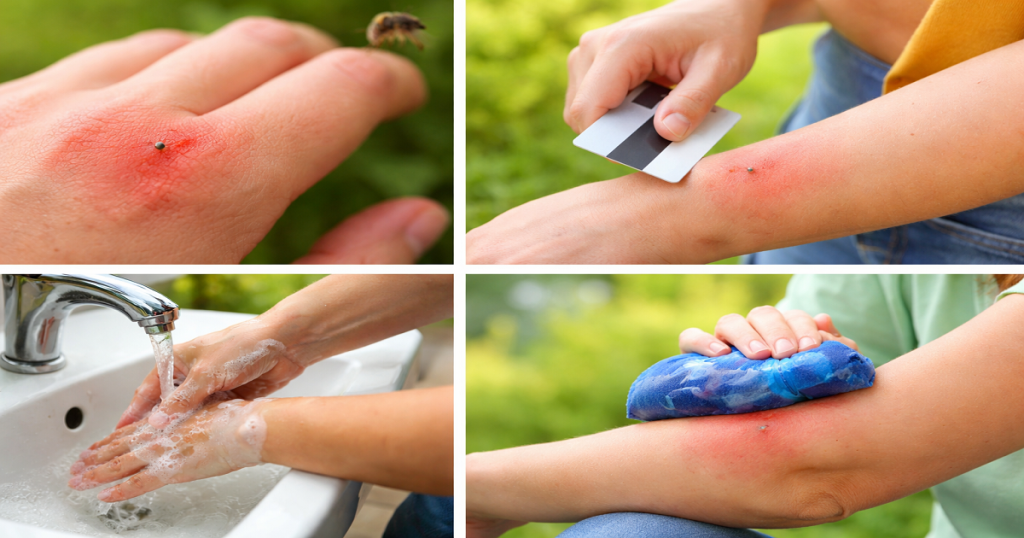
Wash the affected area thoroughly with soap and water. This helps reduce the risk of infection and removes dirt or other contaminants from the skin.
Apply a Cold Compress
Place an ice pack or cold compress on the sting site for 10 to 15 minutes at a time. Cold therapy can help reduce swelling, ease pain, and limit inflammation.
Consider an antihistamine.
An over-the-counter antihistamine may help relieve itching and reduce mild swelling. Follow the product’s directions and consult a healthcare professional if you have questions about its use.
Use a Topical Anti-Itch Treatment
Products such as hydrocortisone cream or calamine lotion can help soothe irritated skin and reduce discomfort around the sting area.
Watch for Worsening Symptoms
Continue monitoring the sting site and your overall condition for several hours after the sting. Seek medical care if:
- Swelling becomes severe or continues to spread
- Symptoms worsen instead of improving
- You develop signs of an allergic reaction
- Multiple stings occur, especially in children, older adults, or individuals with underlying health conditions
Most yellow jacket stings improve with basic first aid and time. However, recognizing the difference between a normal reaction and a medical emergency is essential for staying safe.
Frequently Asked Questions (FAQ)
Do yellow jackets sting more than once?
Yes, they can sting multiple times without harm to themselves.
Are yellow jackets more aggressive than bees?
Yes, especially when defending their nest or searching for food.
How long does swelling last after a sting?
Usually 1–3 days, but it can last longer in sensitive individuals.
Can yellow jackets bite instead of sting?
They can bite, but stinging is their primary defense.
What is the best first aid treatment?
Ice packs, antihistamines, and topical creams are most effective.
When should I go to the doctor?
If you experience severe swelling, multiple stings, or allergic symptoms.
Can yellow jackets chase people?
Yes, particularly when defending their nest.
Conclusion
Yellow jackets are not just another outdoor nuisance—they are highly efficient, defensive insects capable of delivering multiple painful stings. While they can technically bite, it’s their sting that poses the real threat to humans.
By understanding their behavior, recognizing symptoms, and applying proper treatment, you can significantly reduce the risks associated with these encounters. More importantly, adopting preventive strategies can help you avoid stings altogether.
In the end, knowledge is your best defense. When you know how yellow jackets behave and how to respond, you can confidently enjoy outdoor spaces without unnecessary fear.