If you’ve ever encountered a yellow jacket, you already know how aggressive and persistent these insects can be. A common question people ask is: Do yellow jackets die after stinging, as bees do? The answer is simple—but the science and behavior behind it are far more interesting and important for your safety.
Unlike the Honey bee (Apis mellifera), which dies after stinging due to its barbed stinger, the Yellow jacket is built for repeated attacks. This type of Wasp can sting multiple times, inject venom efficiently, and even trigger group attacks through chemical signals.
Understanding yellow jacket sting behavior, venom delivery systems, colony defense instincts, and seasonal aggression patterns is critical—not just for curiosity, but for real-world safety. In this in-depth guide, you’ll learn exactly why yellow jackets don’t die after stinging, how their biology differs from bees, what triggers attacks, and how to protect yourself effectively.
Do Yellow Jackets Die After Stinging?
No, yellow jackets do NOT die after stinging.
They can:
- Sting repeatedly
- Inject venom multiple times
- Continue attacking without injury
This is because of their smooth stinger structure, which does not get lodged in human skin.
Why Don’t Yellow Jackets Die After Stinging?
The key difference lies in stinger anatomy and evolutionary adaptation.
Smooth vs Barbed Stinger
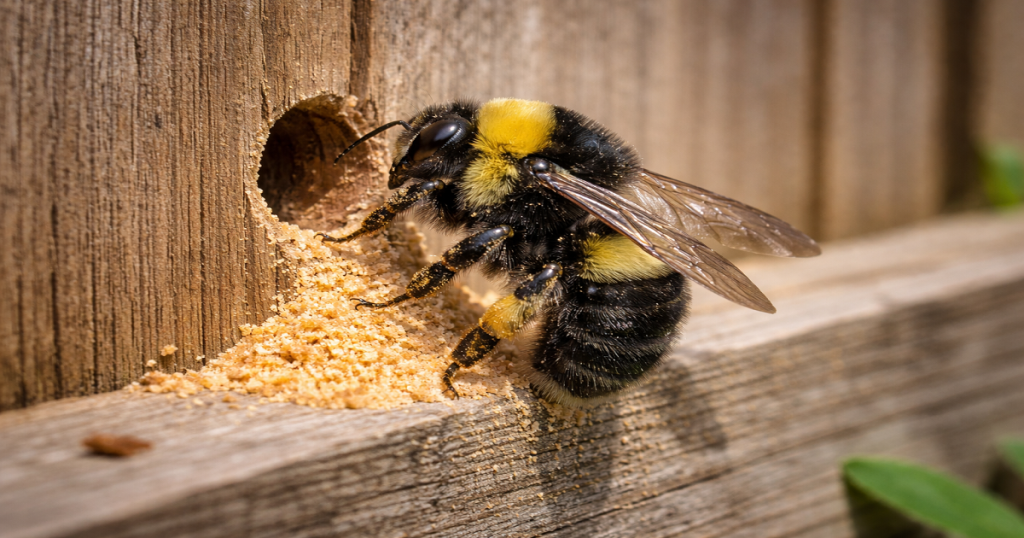
- Bees (e.g., Honey bees):
- Barbed stinger
- Gets stuck in the skin
- Tears from the abdomen → causes death
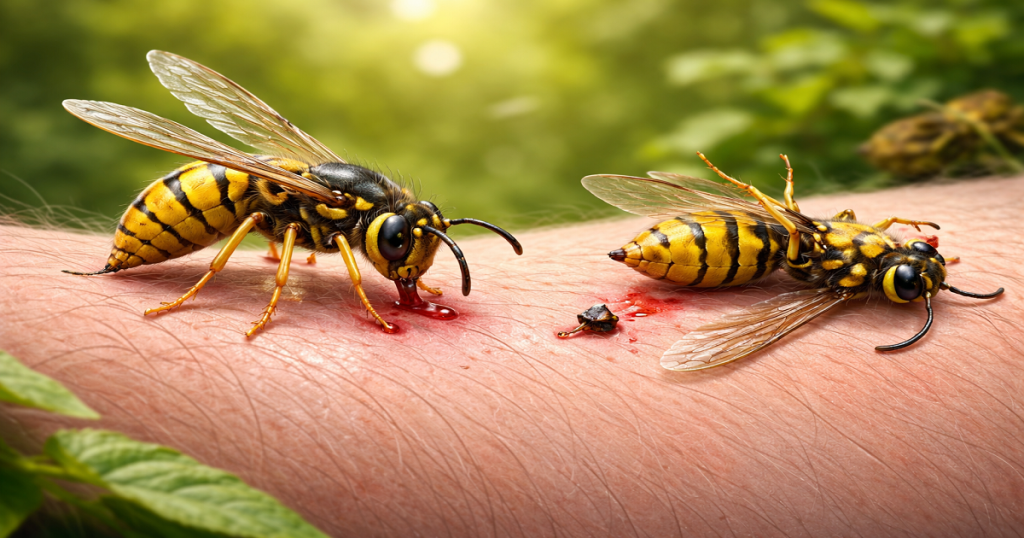
- Yellow Jackets:
- Smooth, retractable stinger
- No tissue damage after stinging
- Can sting repeatedly
This structural difference explains insect survival after stinging and why yellow jackets are more dangerous in repeated encounters.
The Insect Stinging Mechanism Explained
Yellow jackets use a highly efficient venom delivery system.
How the Process Works:
- The stinger penetrates the skin
- A venom sac pumps venom into tissue
- The stinger retracts instantly
- The insect can sting again
This repeated stinging ability makes them effective defenders of their colony.
The Hidden Danger: Pheromone Signaling and Swarm Attacks
One of the most important—and often overlooked—factors is pheromone signaling.
What Happens After One Sting:
- The yellow jacket releases an alarm pheromone
- This chemical signal alerts nearby colony members
- Other yellow jackets are attracted to the target
Result:
Swarm attack behavior
This is why a single sting can quickly turn into multiple stings from several insects.
Yellow Jacket Lifecycle & Seasonal Aggression
To truly understand their behavior, you need to understand their lifecycle.
Colony Lifecycle:
- Spring: Queen builds nest, lays eggs
- Summer: Colony grows rapidly
- Late Summer/Fall: Food becomes scarce → aggression peaks
Why They Become More Aggressive:
- Increased population
- Competition for food
- Breakdown of colony structure
This explains why people often experience more yellow jacket attacks in late summer.
Why Are Yellow Jackets So Aggressive?
Yellow jackets are among the most territorial insects.
Key Behavioral Traits:
- Strong colony protection instinct
- React aggressively to threats
- Highly sensitive to vibrations and movement
- Attracted to food (especially sugar and protein)
Common Attack Triggers:
- Nest disturbance (accidental or intentional)
- Lawn mowing or vibrations
- Sudden movements
- Food exposure (picnics, garbage)
Can Yellow Jackets Sting Multiple Times?
Yes—yellow jackets can sting more than once, and often do.
How Many Times Can a Yellow Jacket Sting?
There is no strict limit. A single yellow jacket may:
- Sting repeatedly within seconds
- Continue attacking until the threat is gone
In swarm situations, this can result in dozens of stings.
Difference Between Bee and Yellow Jacket Stings
| Feature | Bee | Yellow Jacket |
| Stinger Type | Barbed | Smooth |
| Dies After Sting | Yes | No |
| Sting Frequency | Once | Multiple |
| Aggression Level | Low | High |
| Defense Strategy | Sacrificial | Persistent |
This is the key difference between bee and wasp stings.
What Happens After a Yellow Jacket Stings You?
A sting triggers a human immune system reaction.
Common Symptoms:
- Immediate sharp pain
- Swelling and redness
- Itching and burning sensation
- Warmth around the sting
Why It Happens:
The venom causes a histamine response, leading to:
- Inflammation
- Pain
- Irritation
Pain, Inflammation, and Allergic Reactions
Mild Reaction
- Local swelling
- Redness
- Temporary pain
Moderate Reaction
- Larger swelling
- Increased itching
- Mild discomfort
Severe Reaction
- Difficulty breathing
- Swelling of the face or throat
- Rapid heartbeat
This is called anaphylaxis, a serious allergic reaction requiring immediate medical attention.
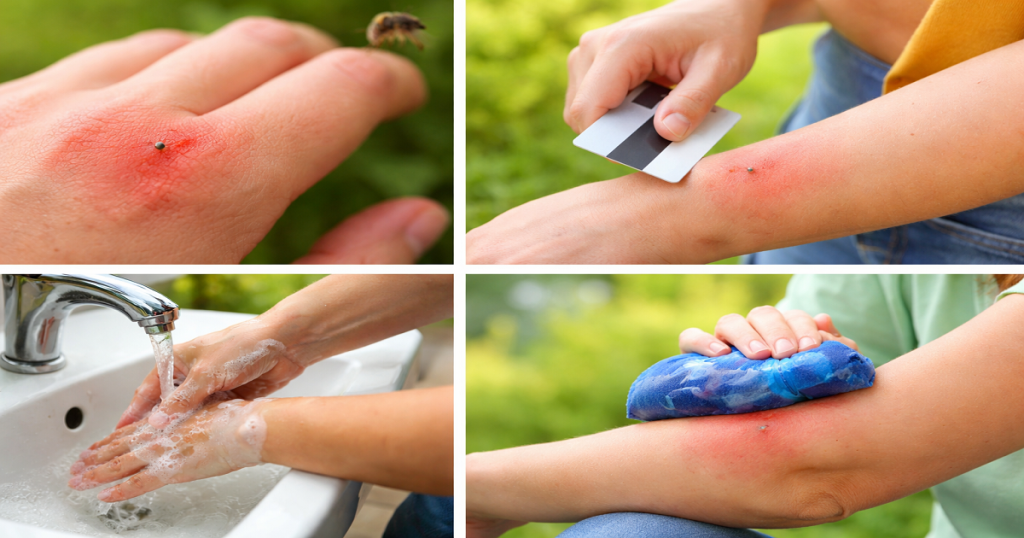
Step-by-Step: What to Do After a Yellow Jacket Sting
Immediate First Aid
- Leave the Area Immediately
- Prevent further stings
- Clean the Sting Site
- Use soap and water
- Apply Cold Compress
- Reduces swelling and pain
- Take Antihistamines
- Helps control itching and inflammation
- Monitor Symptoms
- Watch for allergic reactions
Real-World Insights & Expert Experience
From real-world pest control and outdoor experience:
Key Observations
- Most stings occur due to accidental nest disturbance
- Yellow jackets often build nests:
- Underground
- Inside walls
- In hidden cavities
Professional Tips
- Never swat at a yellow jacket
- Move slowly and calmly
- Leave the area after one sting (pheromones may attract others)
Common Mistakes
- Ignoring nest presence
- Using strong scents outdoors
- Staying near food sources
Identification: How to Recognize a Yellow Jacket
Knowing what you’re dealing with is crucial.
Visual Characteristics
- Bright yellow and black stripes
- Slim, smooth body (not fuzzy like bees)
- Fast, aggressive flight pattern
Nest Types
- Underground nests
- Wall cavities
- Tree hollows
How to Avoid Yellow Jacket Stings
Prevention Tips
- Avoid strong perfumes outdoors
- Keep food covered
- Stay calm around insects
- Wear neutral-colored clothing
Dealing with Wasp Nests
- Do not disturb nests
- Avoid vibrations near nests
- Contact professionals for removal
Comparison Table: Yellow Jackets vs Bees vs Hornets
| Feature | Yellow Jacket | Bee | Hornet |
| Stinger | Smooth | Barbed | Smooth |
| Dies After Sting | No | Yes | No |
| Aggression | High | Low | High |
| Sting Frequency | Multiple | One | Multiple |
| Nest Type | Hidden/ground | Hive | Aerial |
Frequently Asked Questions (FAQ)
Do yellow jackets die after stinging humans?
No, they survive and can sting multiple times.
Why don’t yellow jackets die after stinging?
Because their stinger is smooth and retractable.
Can yellow jackets sting more than once?
Yes, they can sting repeatedly without injury.
Why are yellow jackets more aggressive than bees?
Due to their colony defense behavior and ability to sting multiple times.
What triggers a yellow jacket attack?
Nest disturbance, movement, vibrations, and food exposure.
How dangerous are yellow jacket stings?
Mild for most people, but can be severe in allergic individuals.
Do all wasps behave like yellow jackets?
No, but many wasps share similar defensive behaviors.
How far will yellow jackets chase you?
They may chase several meters if threatened.
Can multiple stings be dangerous?
Yes, especially in large numbers or for sensitive individuals.
How can I prevent yellow jacket stings?
Avoid nests, stay calm, and keep food covered outdoors.
Conclusion
So, do yellow jackets die after stinging? The answer is clearly no. Their smooth stinger, efficient venom delivery system, and strong colony defense instincts allow them to sting repeatedly without harm. Combined with pheromone signaling and seasonal aggression, this makes them far more persistent and potentially dangerous than bees.
Understanding their biology, behavior, lifecycle, and environmental triggers gives you a real advantage. With the right awareness and preventive strategies, you can avoid most encounters—and respond effectively when they happen.