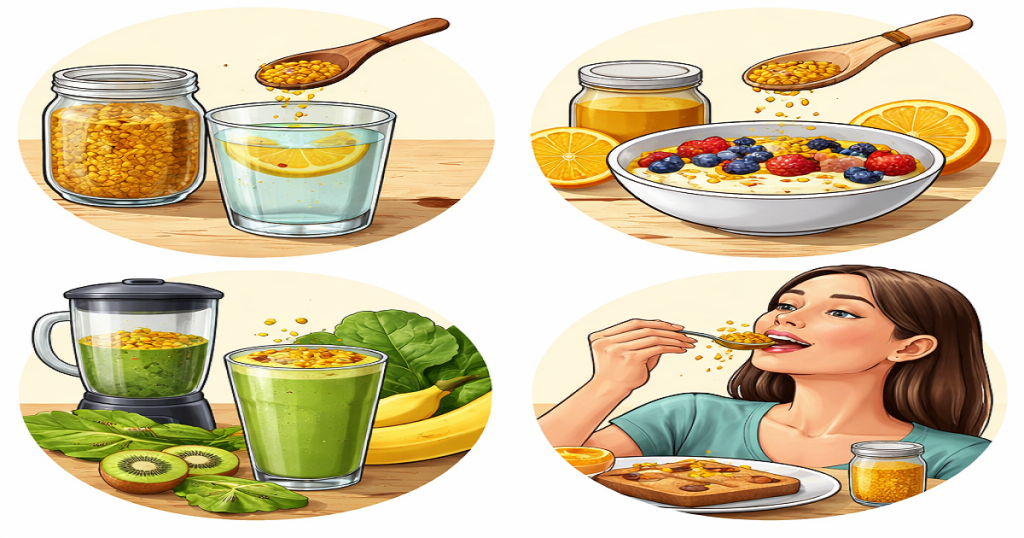
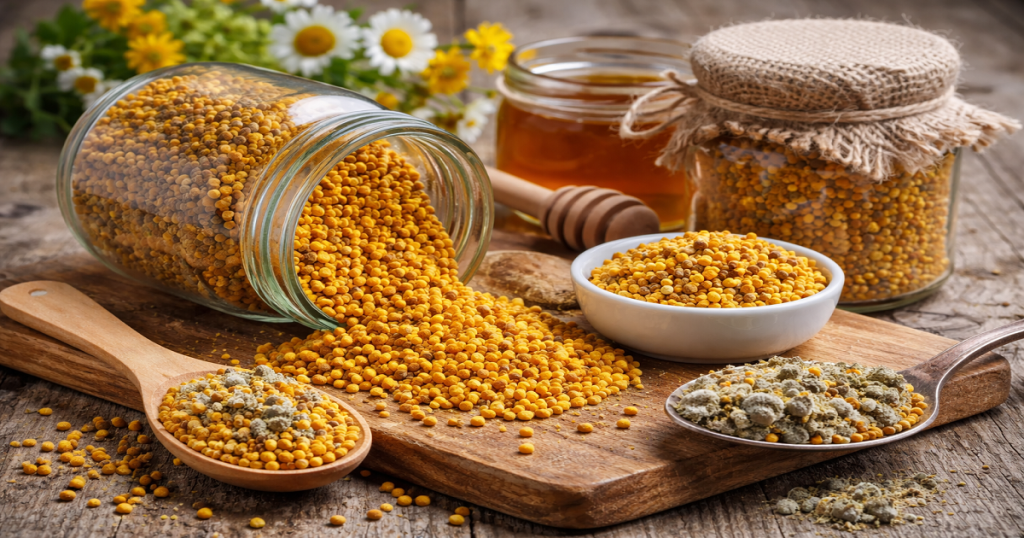
Bee pollen is widely known as one of nature’s most nutrient-dense foods. Produced by honey bees during the pollination process, these tiny pollen granules contain a complex blend of proteins, vitamins, antioxidants, enzymes, and plant compounds. Because of this rich nutritional profile, many people consume bee pollen as a natural dietary supplement to support energy, immune health, and overall wellness.
But once you buy a jar of bee pollen, a practical question often comes up: Does bee pollen expire or go bad?
Like most natural foods, bee pollen does not last forever. Its shelf life depends on several factors, including moisture content, processing method, and storage conditions. Fresh pollen collected from an apiary contains natural moisture and biological activity, which means it can spoil if it isn’t preserved properly. Even dried pollen gradually loses freshness and nutritional potency over time.
Understanding how long bee pollen lasts and how to store it properly is essential to maintaining its quality and avoiding spoiled pollen.
In this guide, we’ll explain:
- Whether bee pollen expires
- How long does bee pollen last in different conditions
- How refrigeration and freezing affect shelf life
- The signs that bee pollen has gone bad
- What happens if you eat expired bee pollen
- Expert storage methods used by beekeepers
By the end of this article, you’ll have a clear understanding of how to keep bee pollen fresh and safe to consume.
What Is Bee Pollen?
Bee pollen is a natural substance created when worker bees collect microscopic pollen grains from flowering plants. During pollination, bees mix pollen with nectar and natural enzymes before packing it into small pellets called pollen granules.
These granules are carried back to the hive and serve as a primary food source for the colony. They provide essential nutrients that feed developing bee larvae and support hive growth.
Beekeepers harvest bee pollen using special devices called pollen traps. These traps gently remove a portion of the pollen pellets from the bees’ legs as they return to the hive, allowing the pollen to be collected without harming the colony.
Raw bee pollen typically contains:
- plant proteins and essential amino acids
- B-complex vitamins
- minerals such as magnesium, zinc, and iron
- antioxidants and flavonoids
- natural carbohydrates and fatty acids
Because bee pollen is minimally processed, it retains many natural enzymes and bioactive compounds. However, these same qualities also make it more sensitive to environmental factors such as moisture, oxygen, and temperature.
Does Bee Pollen Expire?
Yes, bee pollen does expire, although its shelf life varies depending on how it is processed and stored. Unlike highly processed supplements, bee pollen is a natural agricultural product that still contains active enzymes and organic compounds. Over time, these compounds gradually degrade due to oxidation, microbial activity, and environmental exposure.
Fresh bee pollen contains roughly 20–30% moisture, making it vulnerable to fermentation and microbial growth if stored improperly. For this reason, many producers dry or freeze the pollen shortly after harvesting.
Even when properly dried, bee pollen slowly loses some of its nutritional value. Antioxidants, fatty acids, and enzymes are particularly sensitive to heat, light, and oxygen exposure.
Because of this gradual degradation, most bee pollen products include a best-before or expiration date on their packaging.
Bee Pollen Shelf Life: Fresh vs Dried vs Frozen
The shelf life of bee pollen depends largely on its moisture content and the preservation method used. Fresh bee pollen collected directly from a hive is the most delicate form. Because it contains significant moisture, it must be refrigerated soon after harvesting. When stored in a refrigerator, fresh pollen usually lasts about three to six months.
To extend shelf life, many producers use a controlled dehydration process that reduces the moisture content of the pollen granules. Dried bee pollen is much more stable and can remain usable for one to two years when stored in a cool and dry environment.
Freezing offers the longest preservation. Low temperatures slow enzymatic reactions and oxidation, which helps protect sensitive nutrients. Frozen bee pollen can remain stable for two to three years with minimal quality loss.
Why Bee Pollen Goes Bad
Several natural processes contribute to the deterioration of bee pollen over time.
Moisture and microbial growth
Moisture is the main factor that causes pollen to spoil. When water is present, microorganisms such as yeast, bacteria, and mold can grow within the pollen granules. This may lead to fermentation or contamination.
Oxidation
Bee pollen contains delicate compounds like antioxidants and fatty acids. Exposure to oxygen gradually breaks down these nutrients, reducing both flavor and nutritional value.
Temperature and light
Warm temperatures accelerate chemical reactions that degrade nutrients. Direct sunlight can also damage sensitive compounds, particularly antioxidants.
Because of these factors, proper storage plays a major role in preserving bee pollen’s quality.
How to Tell If Bee Pollen Has Gone Bad
Even if the expiration date has not yet passed, bee pollen can deteriorate if it has been exposed to moisture or stored improperly. Fresh pollen typically has a mild floral aroma and slightly sweet taste. When it begins to spoil, the smell often becomes sour or fermented due to microbial activity.
Texture can also reveal changes in quality. Healthy pollen granules are usually dry and firm. If they appear sticky, damp, or clumped together, moisture may have entered the container.
In some cases, visible mold may appear on the granules. Mold growth is a clear sign that the pollen should be discarded.
Flavor is another indicator. Spoiled pollen often develops a bitter or unpleasant taste that differs from the natural floral flavor of fresh pollen.
Bee Pollen Expiration Date vs Shelf Life
Many consumers assume the expiration date printed on bee pollen packaging represents the exact moment the product becomes unsafe. In reality, most labels use a best-before date, which indicates when the pollen is expected to remain at its optimal quality.
After this date, the pollen may still be safe to consume if stored properly, but its flavor and nutritional value may decline.
Shelf life refers to the total amount of time a product remains usable when stored under recommended conditions. For bee pollen, this can vary depending on storage temperature and moisture exposure.
How to Store Bee Pollen Properly
Proper storage is the most effective way to extend the shelf life of bee pollen and preserve its nutrients. Airtight containers are important because they prevent humidity and oxygen from entering the pollen. Glass jars are often preferred since they do not absorb odors and provide a better barrier against moisture than many plastic containers.
Temperature control also helps preserve freshness. Refrigeration slows microbial activity and nutrient degradation, making it a good option for everyday storage.
For long-term storage, freezing is often recommended. Many professional beekeepers freeze pollen shortly after harvesting to prevent fermentation and preserve natural enzymes.
It’s also important to avoid introducing moisture into the container. Using a clean, dry spoon when handling bee pollen can help prevent contamination.
What Happens If You Eat Expired Bee Pollen?
In many cases, consuming slightly expired bee pollen will not cause serious harm. However, the nutritional quality may be significantly reduced.
If pollen has begun to ferment or become contaminated with microbes, it may cause digestive discomfort, such as nausea or stomach upset.
People who are sensitive to pollen or who have pollen allergies should be particularly cautious, as degraded pollen may trigger stronger allergic reactions.
Any bee pollen that shows visible mold, strong sour odors, or unusual texture should be discarded for safety.
Expert Insights From Beekeepers
Experienced beekeepers often treat bee pollen similarly to other fresh agricultural products. Because freshly harvested pollen contains natural moisture, many apiaries quickly freeze the pollen to prevent fermentation.
Some commercial producers also use freeze-drying technology, which removes moisture while preserving much of the pollen’s natural structure and nutritional compounds.
Proper drying techniques are important as well. If pollen is dried too quickly at high temperatures, some heat-sensitive nutrients can degrade. Reputable producers typically dry pollen at carefully controlled temperatures to preserve its nutritional quality.
For consumers, purchasing bee pollen from reliable suppliers and storing it properly at home are the most effective ways to maintain freshness.
Frequently Asked Questions
Does raw bee pollen expire?
Yes. Raw bee pollen contains natural moisture and biological compounds, which means it can deteriorate over time. Refrigeration can significantly extend shelf life.
How long does bee pollen last after opening?
Once opened, bee pollen typically remains fresh for about six to twelve months when stored in an airtight container in the refrigerator.
Does bee pollen need to be refrigerated?
Refrigeration is not always required for dried pollen, but it helps preserve freshness and slow nutrient degradation.
Can bee pollen go bad if not refrigerated?
Yes. Warm temperatures and humidity can accelerate microbial growth and oxidation, causing pollen to spoil faster.
Can you freeze bee pollen?
Yes. Freezing is one of the best methods for long-term storage and can preserve bee pollen for up to three years.
How long does dried bee pollen last?
Dried bee pollen usually lasts one to two years when stored in a cool and dry place.
How can you tell if bee pollen has expired?
Signs include a sour smell, mold growth, a sticky texture, or an unpleasant taste.
Conclusion
Bee pollen is a nutrient-rich natural food, but like most natural products, it does not last forever. Fresh pollen contains natural moisture and enzymes that make it vulnerable to spoilage if it is not stored correctly.
Fortunately, proper storage can significantly extend its shelf life. Keeping bee pollen in airtight containers, storing it in cool environments, and freezing it for long-term preservation can help maintain its freshness and nutritional value.
By understanding the signs of spoilage and following proper storage practices, you can safely enjoy the benefits of bee pollen while ensuring it remains fresh and high-quality.