Spending time outdoors in spring or summer often means encountering buzzing insects. Two of the most commonly mistaken species are honey bees and yellow jackets. Both can sting, but their appearance, behavior, and ecological roles are very different.
Understanding these differences is essential for:
Preventing painful stings
Protecting pollinators
Safely managing pests around homes
This comprehensive guide covers everything you need to know about honey bees vs yellow jackets, from physical characteristics to stings, diet, nesting habits, behavior, and safety tips.
What Are Honey Bees?
Honey bees (Western honey bee) are vital pollinators. They produce honey and support global agriculture by pollinating crops and wild plants.
Key Characteristics of Honey Bees:
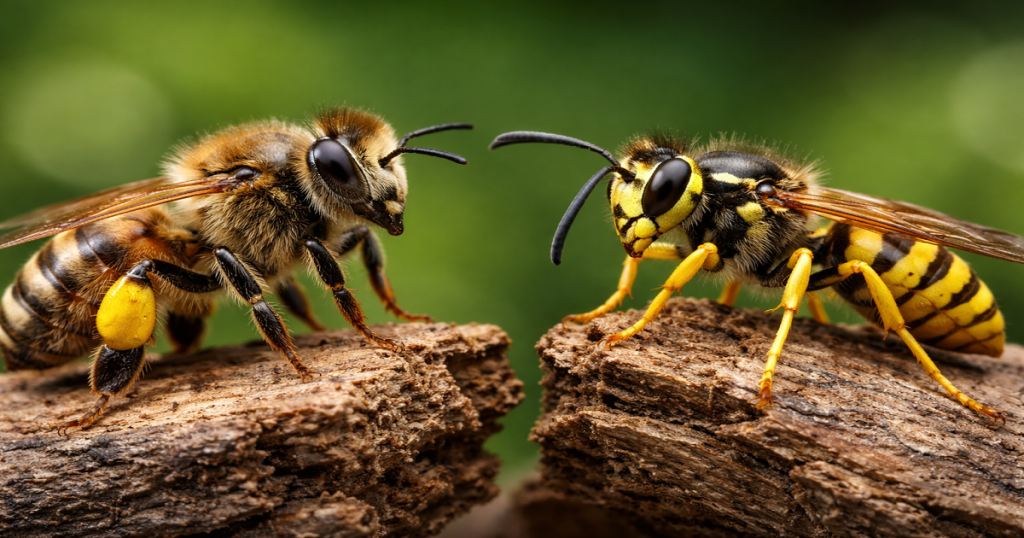
- Color & Body: Fuzzy golden-brown with black stripes
- Size: ~½ inch long
- Stinger: Barbed; can sting once, dies after stinging
- Behavior: Generally non-aggressive, sting only when threatened
- Social Structure: Live in hives with a queen, workers, and drones
- Role in Ecosystem: Essential for pollination, supporting food supply
Honey bees are gentle, hardworking insects, and protecting them is crucial for the environment.
What Are Yellow Jackets?
Yellow jackets (Eastern yellow jacket) are a type of predatory wasp. They are aggressive scavengers, often considered pests when they invade human spaces.
Key Characteristics of Yellow Jackets:
- Color & Body: Smooth, bright yellow with black stripes
- Size: ½ – ¾ inch
- Stinger: Smooth; can sting repeatedly
- Behavior: Aggressive, especially when protecting nests
- Diet: Feed on sugary foods, meats, and carrion
- Nest Type: Paper-like nests in the ground, walls, or eaves
Unlike honey bees, yellow jackets do not pollinate flowers, but they control insect populations in the ecosystem.
Physical Differences: Honey Bee vs Yellow Jacket
| Feature | Honey Bee | Yellow Jacket |
| Body Hair | Fuzzy, pollen-collecting | Smooth, shiny |
| Color | Golden-brown with black stripes | Bright yellow with black markings |
| Abdomen Shape | Rounded | Narrow, pointed |
| Size | ~½ inch | ½ – ¾ inch |
| Wings | Transparent, rest flat | Folded over body |
| Stinger | Barbed, single-use | Smooth, can sting multiple times |
Tip: Honey bees are fuzzy and collect pollen, while yellow jackets are smooth, shiny, and often hover around food.
Behavioral Differences
Aggression
Honey Bees: Sting only when provoked. Gentle toward humans.
Yellow Jackets: Aggressive when food or nests are threatened. Can sting repeatedly.
Feeding Habits
Honey Bees: Feed primarily on nectar and pollen.
Yellow Jackets: Hunt insects and scavenge sugary foods. Often attracted to picnics and outdoor trash.
Nesting Habits
Honey Bees: Live in wax hives, often in hollow trees or man-made beekeeping boxes.
Yellow Jackets: Paper-like nests underground or in hidden areas. Can be very aggressive near the nest.
Season Activity
Honey Bees: Active spring through fall; hives survive winter.
Yellow Jackets: Peak in late summer and fall; colonies die in winter except fertilized queens.
Flight and Sound Differences
Honey Bees: Slow, hovering flight; buzz is soft and continuous.
Yellow Jackets: Fast, zig-zag flight; louder, erratic buzzing near humans or food.
Sting Differences
| Feature | Honey Bee | Yellow Jacket |
| Pain Level | Moderate | Sharp, intense |
| Stinger Remains? | Yes, dies after sting | No, can sting repeatedly |
| Allergic Reaction | Mild in most, severe in some | Often stronger due to multiple stings |
| Home Treatment | Remove stinger, clean, ice | Ice, antihistamines, monitor for multiple stings |
Safety Tip: People allergic to stings should always carry an epinephrine auto-injector.
Ecological Roles
Honey Bees
- Pollinate flowers, fruits, and crops
- Contribute to food production
- Support biodiversity
Yellow Jackets
- Control insect populations
- Scavenge dead insects, reducing pests
- Can help gardens but may pose a risk to humans
If you want to know others’ bees, you can check these Signs Of Bee Infestation.
Human Interaction: Tips for Avoiding Stings
Honey Bees
Avoid sudden movements near flowers
Wear light-colored clothing
Do not disturb hives
Yellow Jackets
Keep food and drinks covered outdoors
Avoid sweet-smelling perfumes or lotions
Seal trash and avoid disturbing nests
First Aid for Stings
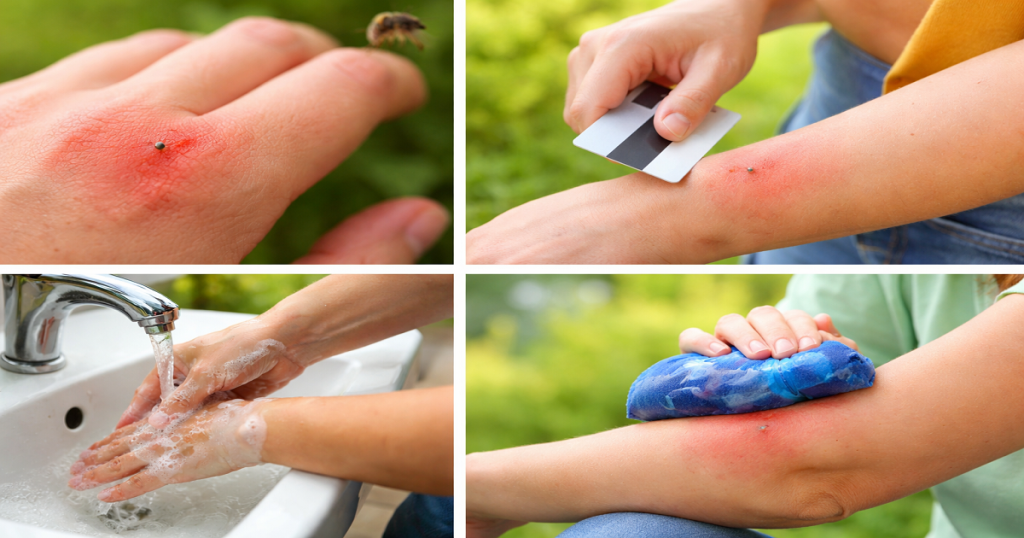
Honey Bee Sting:
- Remove the stinger immediately
- Wash with soap and water
- Apply ice to reduce swelling
- Use antihistamines or hydrocortisone cream
- Watch for allergic reactions
Yellow Jacket Sting:
- Clean the area thoroughly
- Apply ice to reduce pain
- Take oral antihistamines if needed
- Monitor for multiple stings
Multiple Stings: What You Should Know
Honey bees die after a single sting; yellow jackets can sting repeatedly.
Multiple stings increase venom exposure and may require medical attention.
Children and the elderly are at higher risk of multiple stings.
Hive Protection and Nest Management
Honey bee hives should be left undisturbed unless managed by a beekeeper
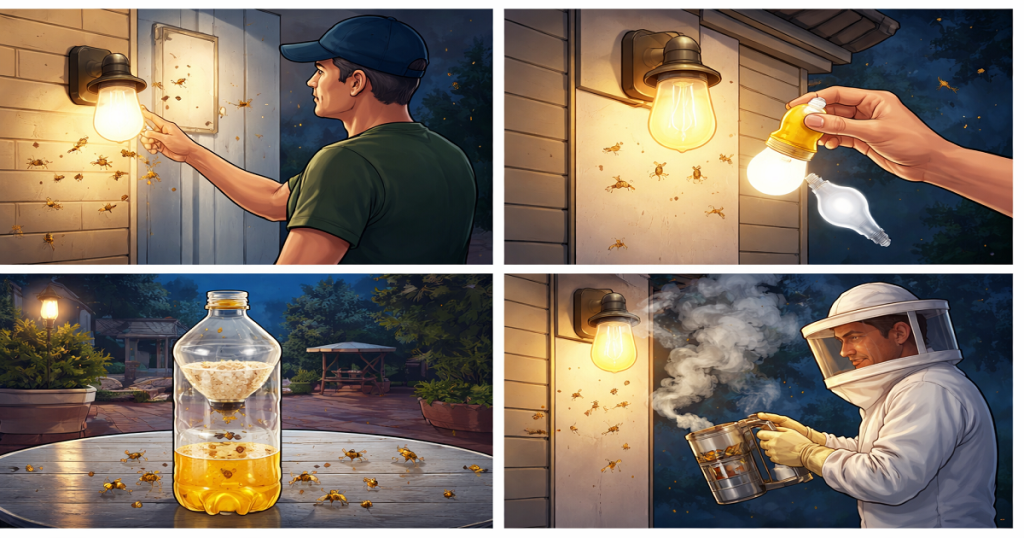
Yellow jacket nests near homes may need professional removal
Use protective gear if handling nests
Avoid DIY removal of yellow jacket colonies without experience
Common Myths About Honey Bees and Yellow Jackets
All bees are aggressive – False; honey bees are gentle unless provoked
Yellow jackets are bees – False; they are wasps
Heat helps bee stings more than ice – False; ice reduces inflammation better
Sucking out bee venom works – False; it does not remove venom effectively
Honey Bee and Yellow Jacket Interaction
- Yellow jackets sometimes prey on honey bees
- Honey bees defend hives by swarming
- Beekeepers need to monitor yellow jacket activity to protect colonies
Advanced Identification Tips
- Honey Bee: Collects pollen, has fuzzy legs, and moves slowly
- Yellow Jacket: Smooth body, fast-moving, attracted to food
- Behavior Around Humans: Honey bees avoid humans, and yellow jackets hover around food
Practical comparison including physical traits and behavior patterns, Honey Bee vs Yellow Jacket stings.
Expanded FAQ Section
Q1: Can yellow jackets sting multiple times
Yes, smooth stingers allow repeated stings without dying.
Q2: Are honey bees endangered?
Populations are declining due to pesticides, disease, and habitat loss.
Q3: How to tell if a hive is honey bees or yellow jackets?
Look for fuzzy bees collecting pollen (honey bees) or smooth wasps around food (yellow jackets).
Q4: Are honey bees aggressive?
No, they sting only when threatened.
Q5: Are yellow jackets beneficial?
Yes, they control insect populations, but are a nuisance near humans.
Q6: How long do yellow jacket colonies survive?
Colonies die in winter; only fertilized queens survive to start new colonies.
Q7: Can children safely be near honey bees?
Yes, with supervision. Teach children to avoid sudden movements and not disturb hives.
Q8: How to reduce the risk of yellow jacket stings at outdoor events?
Cover food, use sealed drinks, and avoid bright colors or sweet scents.
Q9: Can honey bee stings cause infection?
Rarely, but cleaning the area and monitoring for pus, fever, or spreading redness is advised.
Final Thoughts
Honey bees and yellow jackets are often mistaken for one another, but they differ in appearance, behavior, and ecological impact. Recognizing these differences helps:
- Protect yourself from stings
- Support beneficial pollinators
- Manage yellow jacket nuisances
- Make informed decisions about outdoor activities
With careful observation and proper precautions, you can safely coexist with both species while understanding their roles in the ecosystem.