Feeding honey bees isn’t just a backup plan—it’s a core part of successful beekeeping. When natural nectar sources fluctuate due to weather, seasonal changes, or agricultural shifts, your colony depends on you. That’s where a top feeder for bee hive becomes one of the most valuable tools in your beekeeping setup.
A well-designed hive top feeder allows you to deliver consistent nutrition without disturbing the colony. Whether you’re supporting early brood development, preparing for winter, or managing a nectar dearth, using the right bee feeding system can directly influence colony strength, survival rates, and honey yields.
In this guide, you’ll learn not just how to use a bee hive top feeder, but also when, why, and how to optimize feeding like an experienced beekeeper. We’ll cover practical field insights, common problems, advanced feeding strategies, and real-world techniques that go beyond typical blog advice.
What Is a Top Feeder for Bee Hive?
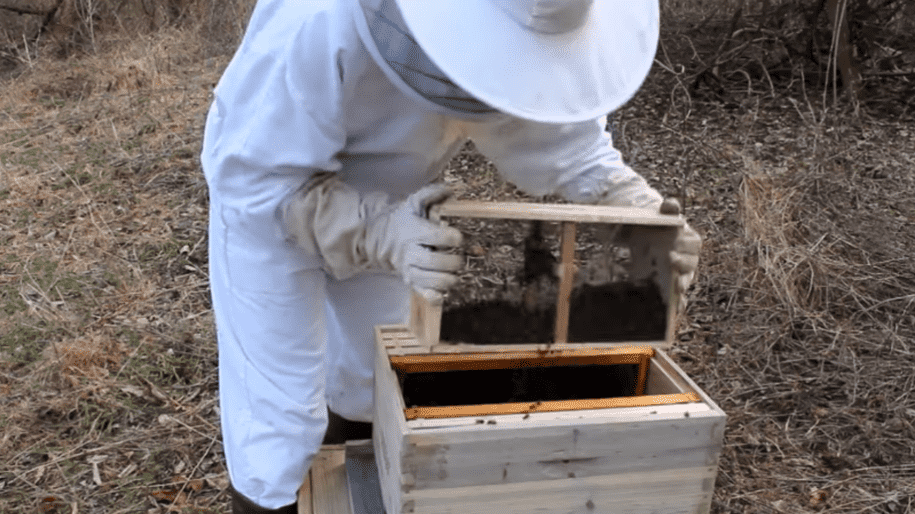
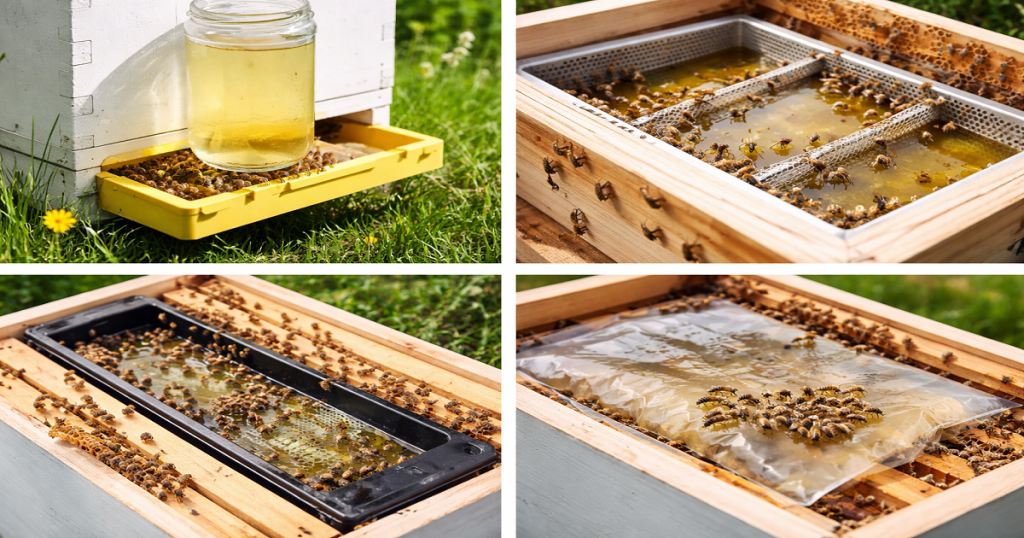
A top feeder for a beehive is an internal hive feeder placed above the brood box in a Langstroth hive, typically beneath the inner cover and outer cover. It supplies sugar syrup or supplements directly inside the hive, allowing bees to feed safely.
How It Works
- Bees access syrup through channels or screened areas
- The feeder sits above the cluster, keeping the syrup warmer
- Internal placement reduces robbing pressure
Key Design Elements
- Deep reservoir (large capacity)
- Access ladders or floats to prevent drowning
- Tight seals to avoid leakage
- Compatibility with standard hive management systems
Why Feeding Bees Is Critical for Colony Health
Even strong colonies of Apis mellifera can struggle without consistent food sources. Natural nectar flow is unpredictable, especially in regions with heavy rain, drought, or monoculture farming.
Feeding Supports:
- Brood development (egg → larva → pupa stages)
- Colony strength during weak seasons
- Stable foraging behavior
- Efficient pollination cycles
- Consistent honey production
When Bees Need Supplemental Feeding
- Early spring buildup
- Late fall preparation
- During nectar dearth feeding
- After splitting colonies
- Weak or recovering hives
A sugar syrup feeder for bees acts as a nectar replacement feeding solution when natural forage is limited.
Benefits of Using a Top Bee Feeder
Stable Feeding in All Weather
Because it’s inside the hive, a bee hive top feeder protects syrup from rain, wind, and temperature fluctuations—critical for winter bee feeding.
Reduced Robbing Behavior
External feeders often trigger robbing. A sealed overhead bee feeder keeps feeding discreet, reducing colony stress.
Supports Hive Thermoregulation
Bees maintain internal hive temperature. A top feeder sits within this warm zone, preventing syrup from becoming too cold or viscous.
Large Capacity = Less Labor
A large capacity top feeder for bee hive reduces refill frequency, making it ideal for larger apiaries.
Better for Sustainable Beekeeping
Efficient feeding improves colony survival, supporting sustainable beekeeping and organic honey production practices.
How to Use a Top Feeder for Bee Hive (Step-by-Step)
Step 1: Select the Right Feeder
Look for:
- Food-grade plastic or coated wood
- Anti-drowning features
- Tight-fitting design
Step 2: Prepare Sugar Syrup
- Spring: 1:1 ratio (stimulates brood)
- Fall: 2:1 ratio (builds stores)
Expert tip: Warm water helps dissolve sugar faster, but never boil syrup—it can caramelize and harm bees.
Step 3: Install the Feeder
- Remove the outer cover
- Place the feeder above the brood area
- Ensure it sits level
- Seal gaps to prevent leaks
Step 4: Fill Carefully
- Pour slowly to avoid spills
- Avoid dripping syrup inside the hive (can trigger robbing)
Step 5: Monitor Feeding Behavior
Check:
- Consumption rate
- Bee activity
- Signs of fermentation
Experienced beekeepers adjust feeding frequency based on colony strength, not a fixed schedule.
When to Use a Top Feeder for Bee Hive
Ideal Timing
Spring Feeding Bees
- Stimulates brood development
- Encourages population growth before nectar flow
Fall Feeding Bees
- Builds winter reserves
- Ensures colony survival
Winter Feeding
- Use insulated feeders
- Only feed when necessary to avoid moisture buildup
Nectar Dearth Periods
- Prevents starvation
- Maintains stable colony activity
When NOT to Feed
- During strong nectar flow
- During honey harvest (prevents syrup contamination)
Top Feeder vs Entrance Feeder for Bees
| Feature | Top Feeder | Entrance Feeder |
| Location | Inside hive | Outside |
| Robbing risk | Very low | High |
| Capacity | Large | Small |
| Temperature stability | High | Low |
| Best use | Long-term feeding | Quick feeding |
For beginners, the best top feeder for bee hive beginners is almost always safer and more effective.
Advanced Feeding Insights (From Real Beekeeping Experience)
This is where most articles fall short—so let’s go deeper.
Syrup Fermentation Risk
In warm, humid climates:
- Syrup can ferment within 3–5 days
- Fermented syrup harms bee digestion
Solution:
- Feed smaller amounts more frequently
- Clean the feeder regularly
Temperature Affects Feeding
Below ~10°C (50°F):
- Bees reduce syrup intake
- Syrup becomes too thick
Use an insulated top feeder for cold climates
Overfeeding Can Backfire
Too much syrup can:
- Fill brood cells with sugar
- Reduce egg-laying by the queen bee
Always balance feeding with natural conditions.
Hive Position Matters
If the feeder is not level:
- Syrup pools unevenly
- Bees struggle to access it
Small setup mistakes can reduce feeding efficiency significantly.
Common Problems and How to Fix Them
Problem: Bees Not Taking Syrup
Causes:
- Strong nectar flow
- Cold weather
- Weak colony
Fix:
- Reduce feeding or wait for dearth
Problem: Bees Drowning
Fix:
- Add floats, corks, or ladders
- Use a high-quality feeder design
Problem: Mold in Feeder
Fix:
- Clean regularly
- Avoid leaving syrup too long
Problem: Robbing Behavior
Fix:
- Ensure the feeder is sealed
- Avoid spilling syrup
DIY Top Feeder for Bee Hive Plans
For budget-conscious beekeepers:
Materials Needed
- Food-safe container
- Wooden frame
- Mesh or ladder
Build Steps
- Cut the container to the hive dimensions
- Add bee access channel
- Install an anti-drowning system
- Seal edges tightly
DIY feeders work, but poorly designed ones can leak or cause drowning—so precision matters.
Feeding Strategy for Maximum Honey Production
Key Principle:
Feeding should support—not replace—natural foraging.
Optimized Strategy
- Spring: stimulate colony growth
- Early summer: reduce feeding during nectar flow
- Late summer: support during dearth
- Fall: build reserves
- Winter: emergency feeding only
Frequently Asked Questions (FAQ)
What is the best top feeder for beginner bee hives?
A simple, leak-proof feeder with anti-drowning features and easy refill access.
How often should I refill a top feeder?
Every 3–7 days, depending on colony size and weather.
Can I use a top feeder in winter?
Yes, especially insulated feeders for cold conditions.
What syrup ratio should I use?
- Spring: 1:1
- Fall: 2:1
Why are my bees ignoring the feeder?
Likely due to natural nectar availability or low temperature.
How do I prevent syrup fermentation?
Use fresh syrup and clean feeders frequently.
Can feeding increase honey production?
Indirectly, by strengthening the colony before nectar flow.
Is a top feeder better than a frame feeder?
For capacity and convenience, yes.
Should I feed during nectar flow?
No, it cannot contaminate honey.
How do I clean a top feeder?
Use warm water and vinegar; avoid chemicals.
Conclusion
A top feeder for bee hive is more than just a feeding tool—it’s a strategic asset in modern beekeeping practices. When used correctly, it supports colony nutrition, improves brood development, stabilizes hive management, and ultimately enhances honey production.
The key is not just using a feeder—but using it intelligently:
- Feed at the right time
- Use the correct syrup ratio
- Monitor colony response
- Avoid common mistakes
By applying these expert insights, you’ll move beyond basic beekeeping and start managing your apiary with confidence, precision, and long-term success.