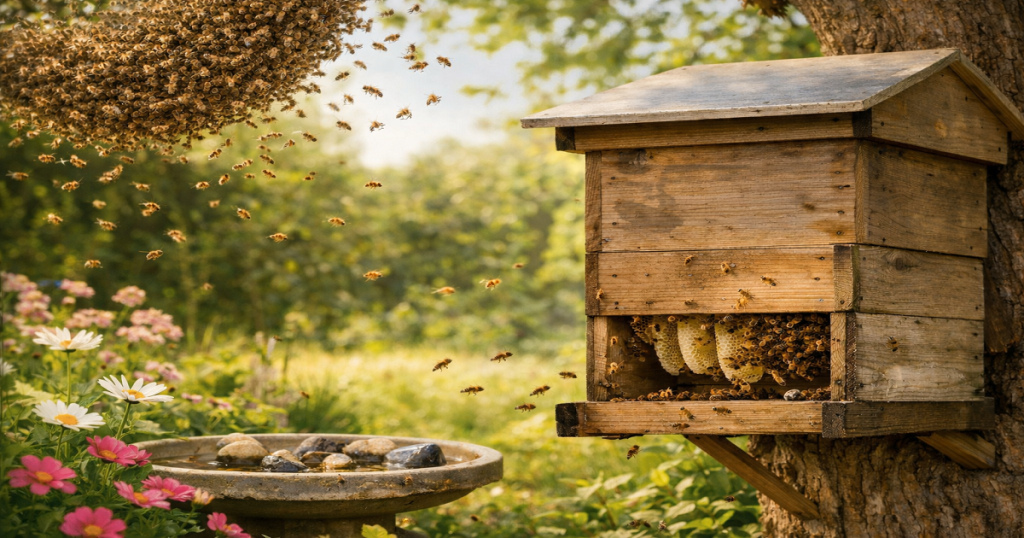
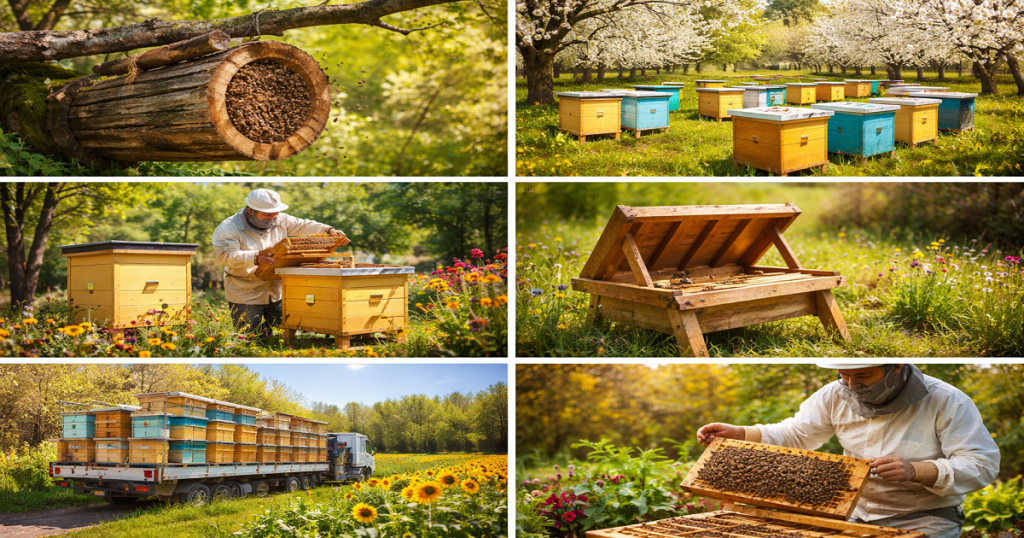
Beekeeping is about much more than collecting honey. It involves caring for living bee colonies that play a vital role in our environment and food supply. Bees are among the world’s most important pollinators, helping plants reproduce, supporting crop production, and contributing to sustainable agriculture.
Many new beekeepers begin their journey with enthusiasm, but it is common to feel overwhelmed when faced with the different ways to keep and manage bees. Understanding the main types of beekeeping from the start can make the learning process much easier. The method you choose will influence your hive management practices, the time and resources required, and the overall health and productivity of your colonies.
People keep bees for many different reasons. Some focus on producing honey, beeswax, and other hive products. Others are interested in supporting local pollinators, improving garden productivity, or developing a commercial beekeeping operation. Each approach comes with its own benefits, challenges, and management requirements.
This guide provides practical, beginner-friendly information about the most common types of beekeeping. Drawing on established beekeeping practices and real-world experience, it explains how each method works, who it is best suited for, and what to consider before getting started.
By learning about the different beekeeping methods available, you will be better equipped to choose an approach that matches your goals, avoid common beginner mistakes, and build a healthy, thriving apiary with confidence.
What Is Beekeeping?
Beekeeping is the practice of managing and caring for honey bee colonies. While many people associate beekeeping with honey production, it involves much more than harvesting honey. Beekeepers are responsible for maintaining healthy hives, monitoring bee populations, and creating conditions that help colonies thrive throughout the year.
A beehive is a complex living community where thousands of bees work together to support the colony. To care for bees successfully, it is important to understand how they behave, how their colony functions, and how factors such as weather, food availability, pests, and diseases can affect hive health.
The Roles Inside a Beehive
Every honey bee colony depends on three types of bees, each with a specific job that contributes to the survival of the hive.
The queen is the only female in the colony responsible for laying fertilized eggs. Her primary role is to maintain the colony’s population. During the busiest part of the season, a healthy queen may lay up to 1,500–2,000 eggs per day, ensuring a steady supply of new workers.
Worker Bees
Worker bees are female bees that perform nearly all of the hive’s daily tasks. They gather nectar and pollen, feed developing larvae, build and repair honeycomb, protect the colony from threats, and help regulate the hive’s temperature. Their work keeps the colony functioning efficiently.
Drones
Drones are male bees whose main purpose is to mate with queens from other colonies. This helps maintain genetic diversity within bee populations. Unlike worker bees, drones do not collect food, build comb, or defend the hive.
Why These Roles Matter
A healthy colony relies on all three types of bees working together. The queen produces the next generation, worker bees maintain and protect the hive, and drones contribute to reproduction. Understanding these roles is one of the first and most important steps in becoming a successful beekeeper.
How A Beehive Works
A beehive is a highly organized system designed to support the colony’s growth, food storage, and daily activities. Each part of the hive serves a specific purpose, helping bees work efficiently and maintain a healthy environment throughout the year.
Brood Chamber
The brood chamber is the heart of the hive. This is where the queen lays eggs and where young bees develop from larvae into adult bees. Worker bees spend much of their time in this area caring for the brood, feeding developing larvae, and maintaining the proper temperature needed for healthy growth.
Because it contains the next generation of bees, the brood chamber is the most important section of the hive and plays a key role in the colony’s long-term survival.
Honey Supers
Honey supers are boxes placed above the brood chamber. Bees use these sections to store surplus honey after meeting the colony’s immediate food needs.
Most beekeepers harvest honey from the supers while leaving enough stored honey for the bees to survive periods when nectar is scarce. Proper honey management helps ensure the colony remains healthy and well-fed throughout the seasons.
Wax Comb Structure
Inside both the brood chamber and honey supers, bees build wax comb made up of thousands of hexagonal cells. These cells serve multiple purposes, including storing honey and pollen and developing brood.
The comb does more than provide storage space. Its structure helps the colony regulate temperature, improve airflow, and organize hive activities efficiently. Strong, healthy comb supports colony growth and contributes to overall hive productivity.
7 Types of Beekeeping
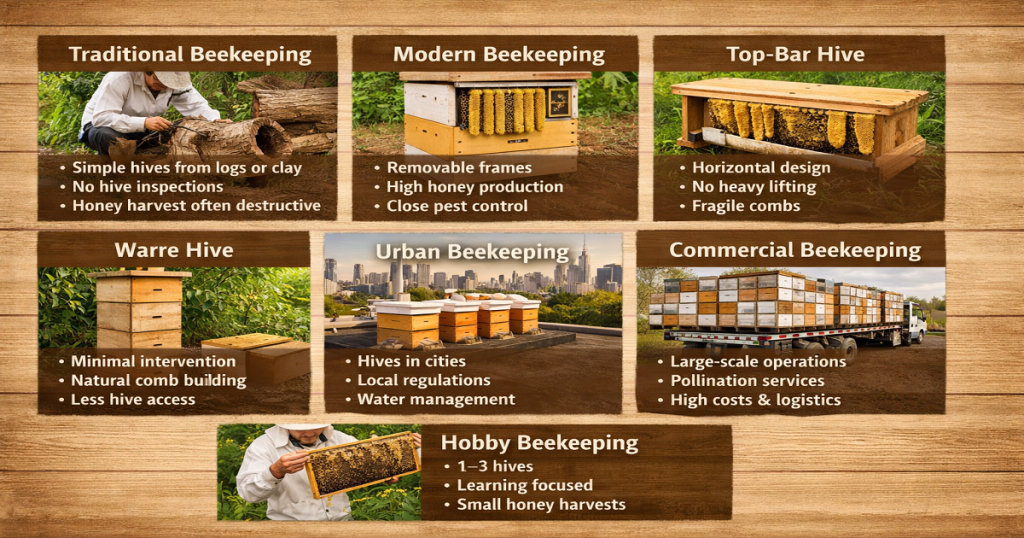
Beekeeping is not a one-size-fits-all activity. Over time, different methods have developed to suit various goals, environments, and management styles. Some beekeepers focus on natural hive management, while others prioritize honey production or commercial operations.
Understanding the main types of beekeeping can help you choose an approach that matches your experience level, budget, and long-term goals.
1. Traditional Beekeeping
Traditional beekeeping is one of the oldest forms of beekeeping and remains common in many regions of Asia, Africa, and rural communities worldwide. This method uses simple hives made from natural materials such as logs, bamboo, clay, or woven baskets.
How Traditional Beekeeping Works
In traditional systems, bees build their comb naturally and manage most colony activities with minimal human intervention. The beekeeper’s role is mainly to provide shelter and harvest honey when it is available. Because these hives do not use removable frames, inspecting the colony is often difficult.
Advantages of Traditional Beekeeping
- Low startup costs
- Uses locally available materials
- Encourages natural bee behavior
- Requires minimal equipment
- Preserves cultural and traditional beekeeping practices
Limitations of Traditional Beekeeping
While simple and affordable, traditional hives have several drawbacks:
- Colony inspections are limited
- Honey harvesting may damage comb
- Pests and diseases can be difficult to detect early
- Queen management is challenging
- Honey yields are often lower and less predictable
For these reasons, traditional beekeeping is generally best suited for small-scale or subsistence beekeeping rather than commercial production.
2. Langstroth Hive Beekeeping
Modern beekeeping typically uses the Langstroth hive, the most widely adopted hive system in the world. Its removable-frame design allows beekeepers to inspect and manage colonies without damaging the comb.
How the Langstroth Hive Works
The hive consists of stacked boxes containing movable frames where bees build their comb. These frames can be removed individually, making it easier to monitor brood development, assess queen performance, and check for pests or diseases.
Advantages of Modern Beekeeping
The Langstroth system offers excellent colony control and productivity. Beekeepers can:
- Add honey supers during nectar flows
- Replace weak queens
- Split colonies to reduce swarming
- Monitor hive health efficiently
- Harvest honey without destroying comb
Because of its flexibility and efficiency, this system is widely used for both hobby and commercial beekeeping.
Challenges for Beginners
Although highly effective, the Langstroth system requires regular management and training. New beekeepers must learn how to
- Handle heavy hive boxes safely
- Manage hive space correctly
- Prevent overcrowding and swarming
- Perform routine inspections
Despite the learning curve, many experienced beekeepers consider it the best option for long-term growth and honey production.
3. Top-Bar Hive Beekeeping
Top-bar hives offer a simpler and more natural alternative to traditional frame-based systems. Instead of stacked boxes, they use a horizontal hive design where bees build comb from wooden bars.
How Top-Bar Hives Work
The colony expands sideways through the hive. During inspections, beekeepers lift individual bars rather than moving entire boxes.
Advantages of Top-Bar Hives
Many hobbyists prefer top-bar hives because they are simple to manage and affordable to build.
Benefits include:
- Lower setup costs
- Easy hive access
- No heavy lifting
- Reduced disturbance during inspections
- Natural comb construction
Limitations of Top-Bar Hives
The comb is more fragile because it lacks frame support. As a result, inspections and honey harvesting require extra care.
Beekeepers should expect:
- Lower honey production than Langstroth hives
- More delicate comb handling
- Slower colony expansion in some situations
Top-bar hives are ideal for backyard beekeepers who value simplicity and natural beekeeping practices.
4. Warre Hive Beekeeping
The Warre hive was designed to mimic the conditions bees naturally experience in hollow trees. It promotes a low-intervention style of management that focuses on colony well-being and natural development.
How the Warre Hive Works
Unlike Langstroth hives, additional boxes are added beneath the existing hive rather than on top. Bees build natural comb without traditional frames, and inspections are generally less frequent.
Advantages of Warre Hives
Warre hives appeal to beekeepers who prefer a more natural approach. Key benefits include the following:
- Minimal disturbance to the colony
- Natural comb building
- Good insulation and temperature regulation
- Lower management requirements
- Compatibility with organic beekeeping practices
Challenges of Warre Beekeeping
Less intervention also means less control. Detecting problems such as queen failure, pests, or disease may be more difficult. Successful Warre beekeepers are typically comfortable with the following:
- Limited inspections
- Lower honey yields
- Natural colony cycles
- Long-term colony management
This method is often chosen by beekeepers who prioritize sustainability over maximum production.
5. Urban Beekeeping
Urban beekeeping involves keeping bees in cities, suburbs, rooftops, community gardens, or small backyards. As interest in pollinator conservation grows, urban beekeeping has become increasingly popular.
Many urban areas provide diverse sources of nectar and pollen from gardens, parks, and ornamental plants.
Benefits of Urban Beekeeping
Urban beekeepers often enjoy the following:
- Diverse forage sources
- Efficient use of limited space
- Opportunities to support local pollinators
- Strong community involvement
- Good honey production in some locations
Important Considerations
Responsible urban beekeeping requires careful planning.
Follow Local Regulations
Many municipalities have rules regarding hive placement, colony numbers, and property boundaries. Always check local regulations before installing a hive.
Choose the Right Location
Place hives where they are unlikely to interfere with neighbors, pets, or public spaces. Fences and shrubs can help guide bee flight paths upward.
Provide a Water Source
A reliable water source encourages bees to stay within the area and reduces the chance of them visiting nearby pools, birdbaths, or outdoor containers.
Challenges of Urban Beekeeping
Successful urban beekeeping depends on:
- Regular inspections
- Effective swarm management
- Good communication with neighbors
- Careful hive placement
- Maintaining calm, healthy colonies
When managed responsibly, urban beekeeping can be both productive and environmentally beneficial.
6. Commercial Beekeeping
Commercial beekeeping is a business-focused approach that generates income through honey production, pollination services, queen breeding, and other hive products.
How Commercial Beekeeping Works
Commercial beekeepers often manage hundreds or thousands of colonies. Hives may be transported between locations to follow nectar flows or provide pollination services for agricultural crops. Success requires strong management skills, efficient operations, and careful planning.
Main Sources of Income
Commercial operations typically earn revenue from:
- Honey sales
- Pollination contracts
- Beeswax products
- Queen bee production
- Nucleus colony sales
Diversified income streams help reduce financial risk.
Challenges of Commercial Beekeeping
Large-scale operations face higher costs and greater risks, including:
- Equipment expenses
- Transportation costs
- Labor requirements
- Disease and pest management
- Weather-related losses
Skills Needed for Success
Commercial beekeepers must develop expertise in:
- Colony health management
- Seasonal planning
- Record-keeping
- Swarm control
- Business operations
Because of its complexity, commercial beekeeping is usually not recommended for beginners.
7. Hobby Beekeeping
Hobby beekeeping is one of the most popular ways to get started with bees. Most hobby beekeepers manage a small number of hives and focus on learning, enjoyment, and supporting local pollinators.
Why Hobby Beekeeping Is Ideal for Beginners
Starting small allows new beekeepers to gain hands-on experience without the pressure of managing a large operation. It also provides time to learn bee behavior and develop essential hive management skills.
Skills You Can Develop
Hobby beekeeping helps beginners learn how to:
- Inspect hives safely
- Understand seasonal colony changes
- Recognize food shortages
- Identify pests and diseases
- Manage hive growth and space
These skills form the foundation for more advanced beekeeping in the future.
The Value of Keeping Records
Maintaining notes about colony conditions, weather patterns, honey production, and hive performance can significantly improve decision-making over time. Good records help beekeepers identify trends and solve problems more effectively.
A Rewarding Way to Learn
Unlike commercial operations, hobby beekeeping focuses on education, sustainability, and personal enjoyment rather than profit. It offers a practical way to connect with nature, support pollinators, and gain valuable beekeeping experience at your own pace. For many people, hobby beekeeping becomes a lifelong and rewarding pursuit.
Frequently Asked Questions (FAQs)
What are the different types of beekeeping?
Traditional, modern, top-bar, Warre, urban, commercial, and hobby beekeeping.
Which type is easiest for beginners?
Hobby beekeeping using Langstroth or top-bar hives.
Can I start beekeeping in a small space?
Yes, urban setups work well with proper planning.
How long before I get honey?
Usually 6–12 months, depending on colony strength.
Is beekeeping hard to learn?
It has a learning curve, but hands-on experience helps quickly.
What is the biggest challenge?
Managing diseases and understanding seasonal behavior.
Do bees require daily care?
No, but regular inspections are necessary.
Conclusion
Understanding the types of beekeeping is not just about choosing a method—it’s about setting yourself up for long-term success. Each system offers unique advantages, but the best choice depends on your goals, environment, and willingness to learn.
Start small, stay observant, and focus on building experience. Over time, you’ll develop your own style—because in beekeeping, real expertise comes from working with the bees, not just reading about them.