Feeding honey bees is one of the most important parts of successful beekeeping. Whether you care for a single backyard hive or manage multiple colonies, providing the right nutrition at the right time can have a major impact on colony health, brood growth, honey production, and winter survival.
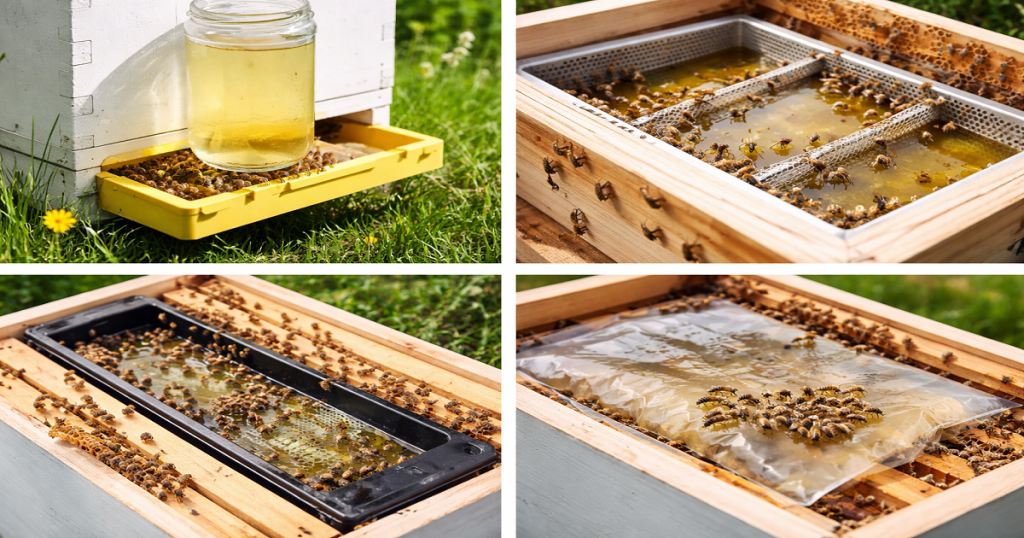
One of the most practical feeding solutions used by beekeepers today is the top feeder for bee hives. Installed above the brood chamber, a top feeder allows bees to access food from inside the hive, reducing exposure to weather, robbing, and other external threats. Because it works with the bees’ natural movement within the hive, it can also make feeding less disruptive and more efficient.
Top feeders are especially useful during periods when natural nectar sources are limited, such as early spring, late fall, or times of nectar shortage. They also allow beekeepers to monitor and manage colony nutrition more effectively.
In this guide, you’ll learn how a hive top feeder works, when it should be used, and the key benefits it offers. We’ll also cover common mistakes to avoid and share practical tips based on real beekeeping experience. Whether you’re a beginner or an experienced beekeeper, this guide will help you make informed feeding decisions that support stronger, healthier colonies.
What Is a Top Feeder for Bee Hive?
A top feeder is an internal feeding system designed to provide food to honey bees from inside the hive. It is typically placed above the brood chamber and below the outer hive cover, giving bees easy access to sugar syrup or other nutritional supplements without exposing the food source to the outside environment.
Unlike entrance feeders or other external feeding methods, a top feeder keeps the syrup protected from weather, pests, and competing colonies. This creates a safer feeding environment and helps maintain stable conditions inside the hive.
In most Langstroth hives, the feeder either replaces the inner cover or sits directly above it. Bees reach the syrup through specially designed access points that provide enough space for movement while reducing the risk of crowding or injury.
A top feeder also acts as a controlled food reservoir. Once filled, the colony can consume syrup as needed, allowing bees to regulate their own intake based on factors such as brood rearing, food stores, and seasonal conditions. This approach supports the colony’s natural feeding behavior while making nutrition management easier for the beekeeper.
Key Features of a Top Feeder
Positioned Above the Brood Chamber
The location of a top feeder is one of its biggest advantages. Because warm air naturally rises inside the hive, bees often move upward within the colony, especially during cooler months. Placing food above the brood chamber allows bees to reach it more easily without disrupting the cluster. This can be particularly important when temperatures drop and energy conservation becomes critical.
Protected Internal Design
Since the feeder is enclosed within the hive, the syrup remains protected from rain, wind, and other environmental factors. Internal feeding also reduces the chance of robbing, a behavior where bees from neighboring colonies attempt to steal food. By keeping the feed inside the hive, colonies can access nutrition with less stress and disturbance.
Built-In Bee Safety Features
Quality top feeders are designed with bee safety in mind. Many include features such as floats, ladders, textured surfaces, or feeding channels that help bees reach the syrup securely. These design elements reduce the risk of drowning and allow bees to feed efficiently while moving safely throughout the feeder.
Why Use a Top Feeder in Beekeeping?
Choosing the right feeding method can make a noticeable difference in how well a colony develops and survives throughout the year. While several feeder types are available, top feeders have become a popular choice because they provide a safe, efficient, and practical way to support honey bees when natural food sources are limited.
Helps Prevent Robbing
Robbing occurs when bees from other colonies attempt to steal food, often leading to fighting, stress, and weakened hives. This problem is especially common during nectar shortages when resources are scarce.
Because a top feeder keeps syrup inside the hive, it does not release strong food cues into the surrounding area. As a result, there is less attraction for neighboring colonies and a lower risk of robbing behavior. The colony can feed without unnecessary disruption or defensive activity.
Increases Feeding Efficiency
A top feeder allows bees to access food without leaving the hive. This is particularly beneficial during cool, rainy, or windy weather when foraging conditions are poor.
By reducing the need to travel outside for food, bees conserve energy that can be used for brood care, hive maintenance, and other essential colony activities. Many beekeepers also find that colonies consume syrup more consistently when using a top feeder, helping them build strength faster during key growth periods.
Holds More Feed at One Time
One of the practical advantages of a top feeder is its larger capacity. Most models can hold a substantial amount of syrup, allowing colonies to feed for longer periods between refills.
For beekeepers managing multiple hives, this means fewer visits for feeding and less disturbance to the colony. The ability to provide larger volumes of syrup at once can also be helpful during spring buildup or fall preparation.
Supports Overall Colony Health
Reliable nutrition is essential for maintaining a strong and productive hive. When food is consistently available, colonies are better able to support important activities such as the following:
- Sustained egg-laying by the queen
- Healthy brood growth and development
- Strong worker bee populations
- Better preparation for periods of food scarcity
A top feeder helps provide that consistency by making supplemental feeding simple and dependable. During challenging weather conditions or times when nectar sources are limited, it can play an important role in keeping colonies healthy and productive.
Makes Feeding Less Disruptive
Top feeders can often be refilled without extensively opening the brood area, helping maintain the hive’s internal temperature and reducing stress on the bees. This is particularly valuable during cooler seasons when preserving heat inside the colony is important.
How to Install a Top Feeder on a Hive (Step-by-Step)
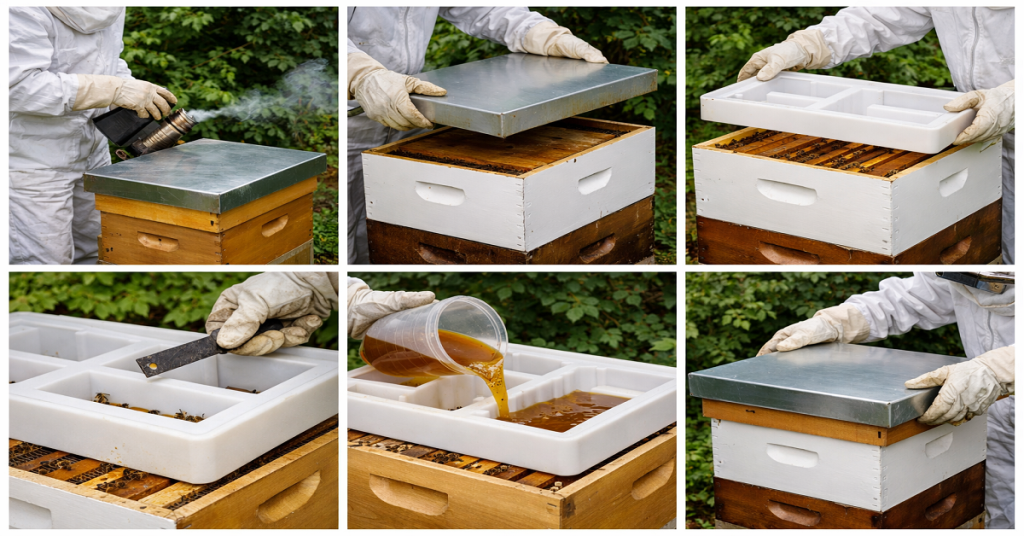
Installing a top feeder correctly is important for both safety and performance. A proper setup helps prevent leaks, reduces stress on the bees, and ensures the feeder works as intended.
Step 1: Choose the Right Time
Start on a calm, warm day with little wind. Bees are generally calmer in good weather, which makes hive inspections and adjustments much easier and safer.
Step 2: Remove the Hive Covers
Gently take off the outer cover first, then the inner cover. Move slowly and avoid sudden movements to minimize disturbance and prevent accidentally crushing bees.
Step 3: Place the top feeder
Set the top feeder directly above the brood chamber. Make sure it is centered and sits evenly on the hive body. A level and properly aligned feeder helps prevent gaps that could allow pests in or bees to escape.
Step 4: Ensure Proper Bee Space
Check that there is enough bee space between components. This small but important detail allows bees to move freely without getting trapped and helps prevent unwanted comb buildup inside the feeder area.
Step 5: Add Sugar Syrup Carefully
Pour the sugar syrup slowly into the feeder compartments. Take care to avoid spills on the outside of the hive, as even small amounts of exposed syrup can attract other bees and trigger robbing behavior.
Step 6: Close and Secure the Hive
Replace the outer cover firmly over the feeder. Make sure everything fits tightly to help maintain internal warmth and protect the colony from weather conditions and pests.
When done correctly, installing a top feeder is a quick process that can significantly improve feeding efficiency while keeping the colony stable and undisturbed.
How to Use a Top Feeder for a Beehive Effectively
A top feeder can be a valuable tool for supporting your bees, but successful feeding involves more than simply adding syrup. Understanding when to feed, what syrup ratio to use, and how to monitor the colony’s response will help you provide nutrition without disrupting the hive’s natural behavior.
Choose the Right Sugar Syrup Ratio
The concentration of sugar syrup should match the colony’s seasonal needs.
1:1 Sugar Syrup (One Part Sugar, One Part Water)
This lighter syrup closely resembles natural nectar and is commonly used in spring. It encourages brood rearing and stimulates the queen to increase egg-laying, helping the colony grow quickly as the beekeeping season begins.
Best used for:
- Spring colony buildup
- Supporting new packages or nucleus colonies
- Encouraging comb construction
2:1 Sugar Syrup (Two Parts Sugar, One Part Water)
This thicker syrup is typically used in late summer and fall. Because it contains less water, bees can store it more efficiently with less effort. This makes it ideal for building food reserves before winter.
Best used for:
- Preparing colonies for winter
- Replenishing low honey stores
- Supporting colonies during late-season nectar shortages
Monitor How the Colony Uses the Feed
Feeding should always be accompanied by regular observation. The way bees consume syrup can provide useful insights into the colony’s condition and surrounding forage availability.
For example:
- Rapid syrup consumption may indicate a lack of natural nectar sources or a growing colony with high nutritional demands.
- Moderate consumption often suggests the colony is balancing supplemental feed with available forage.
- Slow or no consumption can signal that natural nectar is abundant, or it may indicate issues such as queen problems, disease, pests, or a weakened population.
By checking the feeder regularly, you can adjust your feeding strategy based on the colony’s actual needs rather than following a fixed schedule.
Avoid Overfeeding
Supplemental feeding should support the colony, not replace natural foraging whenever nectar is available. Excessive feeding can lead to overcrowded brood nests or unnecessary syrup storage, reducing space for brood production.
Keep the Feeder Clean
Inspect and clean the feeder periodically to prevent mold, fermentation, or contamination. Fresh syrup and a clean feeding system help maintain a healthier hive environment and encourage consistent feeding.
Feed According to Colony Needs
Every hive is different. Factors such as colony strength, local weather, nectar availability, and seasonal conditions all influence feeding requirements. Regular hive inspections and careful observation will help you determine when feeding is necessary and when bees can rely on natural forage.
Seasonal Bee Feeding Strategies
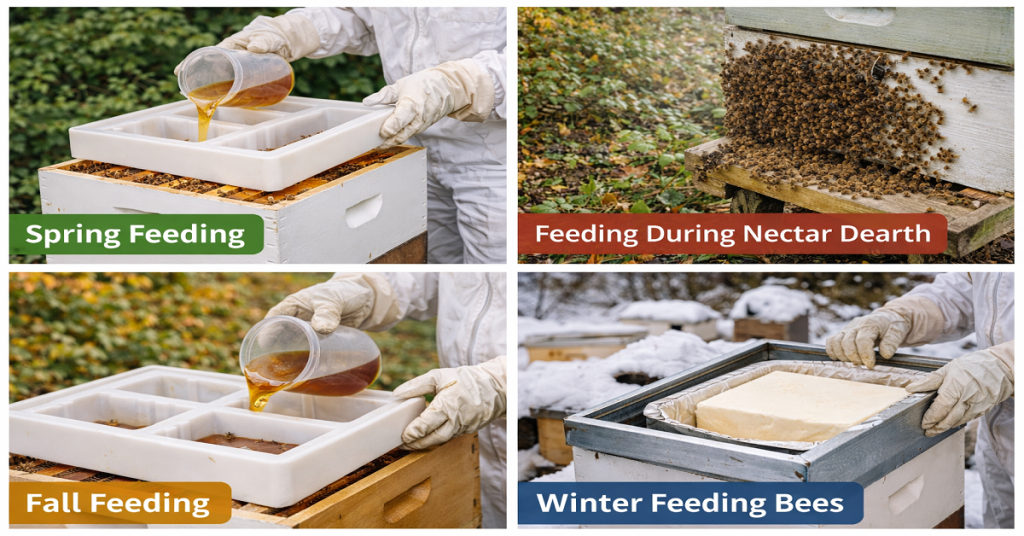
Feeding honey bees works best when it follows the natural rhythm of the seasons. Each period of the year brings different challenges, and adjusting your approach helps keep colonies stable, productive, and well-prepared.
Spring Feeding
Spring is the season of recovery and growth. After winter, many colonies have smaller populations and limited food reserves. At this stage, feeding can play an important role in rebuilding strength.
A 1:1 sugar syrup is commonly used in spring because it closely resembles natural nectar. It encourages brood rearing, supports queen activity, and helps the colony expand more quickly as temperatures rise and foraging improves.
Feeding During Nectar Dearth
A nectar dearth occurs when natural food sources temporarily disappear due to weather shifts, drought, or seasonal changes. During these periods, colonies may become stressed or defensive or reduce brood production.
Providing supplemental feed through a top feeder helps stabilize the hive. It ensures bees continue receiving nutrition even when forage is limited, reducing stress and supporting consistent colony activity until natural nectar returns.
Fall Feeding
Fall feeding is focused on preparation for winter survival. At this stage, bees need to build strong food reserves that will sustain them during colder months when foraging is not possible.
A 2:1 sugar syrup is typically used because it contains less water and is easier for bees to store as honey-like reserves. Timing is especially important—feeding too late in the season may leave syrup unprocessed, which can create problems once temperatures drop.
Winter Feeding Bees
Winter feeding requires more caution. While top feeders can still be used in some cases, proper insulation is essential to prevent heat loss and moisture buildup inside the hive.
In very cold climates, many beekeepers prefer solid feed options such as fondant or candy boards. These alternatives reduce moisture risks and allow bees to access food without breaking their winter cluster, which is critical for maintaining warmth and survival.
Common Problems in Top Feeders
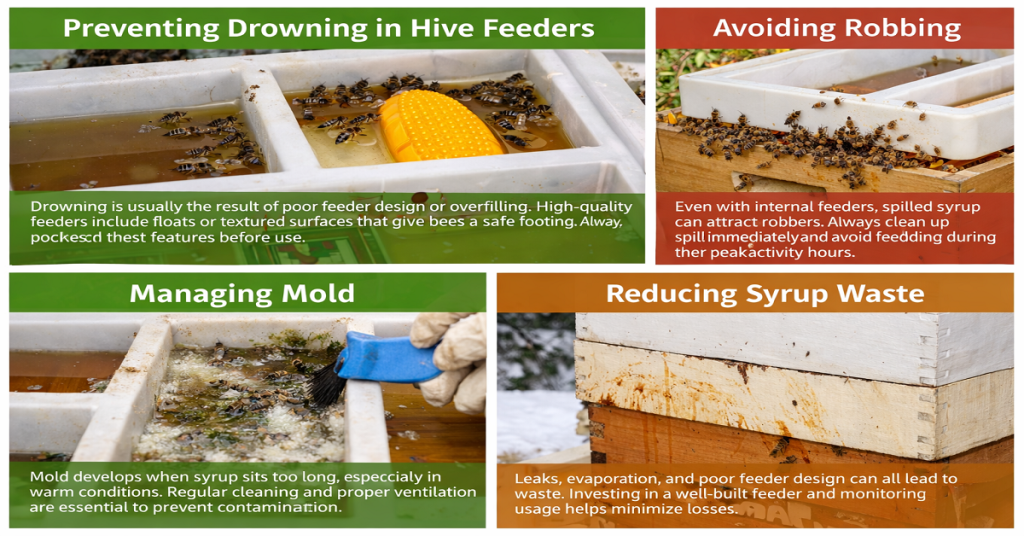
While top feeders are generally safe and efficient, a few common issues can arise if they are not used or maintained properly. Understanding these challenges helps you prevent problems before they affect your colony.
Preventing Drowning in Hive Feeders
Bee drowning usually happens when the feeder lacks proper safety features or is filled incorrectly. This is most often linked to poor design or excessive syrup depth.
Quality top feeders are designed with built-in safety elements such as floats, ladders, or textured surfaces. These give bees a stable place to land while feeding. Before using a feeder, always check that these features are present and in good condition. Also avoid overfilling, as too much syrup can increase the risk of bees becoming trapped.
Avoiding Robbing Behavior
Even though top feeders are internal, robbing can still occur if syrup is exposed outside the hive. Spilled syrup is especially dangerous because it quickly attracts bees from nearby colonies.
To reduce this risk, clean up any spills immediately and handle syrup carefully during refilling. It is also best to avoid feeding during times of high hive activity, when the scent of syrup is more likely to spread outside the colony.
Managing Mold Growth
Mold can develop when sugar syrup is left in the feeder for too long, particularly in warm or humid conditions. This can lead to contamination and may discourage bees from feeding.
Regular inspection and cleaning are important. Replacing old syrup and ensuring proper ventilation within the hive can significantly reduce the risk of mold buildup.
Reducing Syrup Waste
Syrup loss can happen for several reasons, including leaks, evaporation, or poorly designed feeders. Over time, this not only wastes resources but can also affect feeding consistency.
Choosing a well-built feeder with secure seals and monitoring how quickly bees consume syrup can help reduce waste. Routine checks ensure the system is working efficiently and that the colony is receiving the nutrition it needs.
Frequently Asked Questions (FAQs)
What is a top feeder for a beehive?
A top feeder is an internal feeding system placed above the brood chamber, allowing bees to access syrup safely inside the hive.
When should I use a top feeder?
Use it during spring buildup, nectar dearth, fall preparation, and emergency feeding situations.
What is the best sugar syrup ratio?
Use 1:1 in spring and 2:1 in fall for optimal results.
Can I use a top feeder in winter?
Yes, but it must be insulated and used carefully to avoid moisture buildup.
How do I prevent bees from drowning?
Use feeders with floats or ladders and avoid overfilling.
How often should I refill the feeder?
Refill based on consumption—this can range from a few days to a week, depending on colony strength.
What is the best feeder for beginners?
A simple, well-designed top feeder with safety features is ideal for beginners.
Conclusion
The top feeder for a beehive is more than just a feeding tool—it’s a critical component of modern, effective beekeeping. When used correctly, it supports colony health, improves feeding efficiency, and reduces many of the risks associated with other feeding methods.
By understanding how to use it properly, adapting your strategy to seasonal needs, and paying close attention to your bees, you can significantly improve your apiary’s success. Whether you’re just starting or refining your approach, mastering the use of a top feeder is a step toward healthier, more productive colonies.